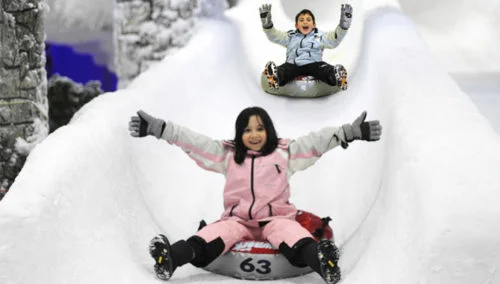
Winter Science at Home: Simple and Educational Experiments for Kids
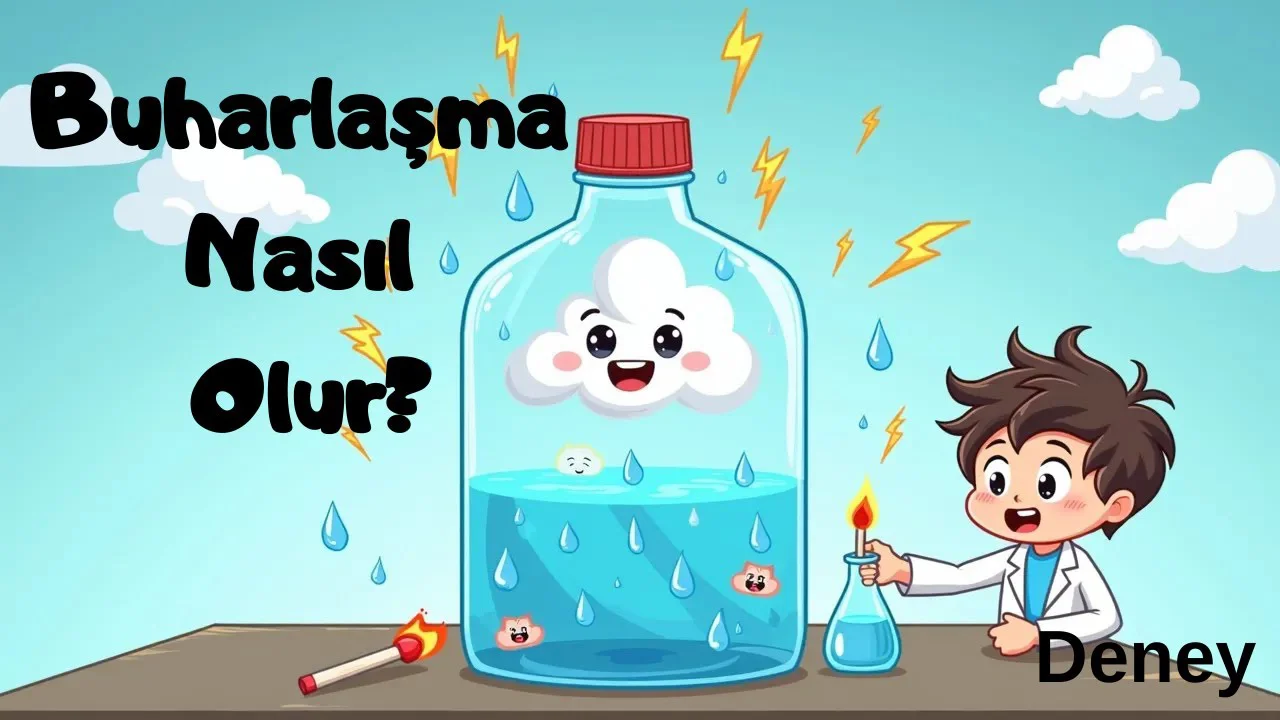
Winter brings colder days and more time spent indoors, making it a perfect opportunity for fun and educational science experiments at home. These simple activities help children stay curious, learn new concepts, and enjoy quality family time. Here are easy and engaging winter science experiments you can try with your kids:
1. Colorful Ice Experiment (Exploring Freezing & Melting)
Freeze colored water in ice trays. Sprinkle salt on the ice and watch the colors flow through the cracks.
Teaches: freezing point, melting, salt’s effect on ice.
2. Snow Crystal (Crystal Formation) Experiment
Mix hot water with salt, dip a string into the mixture, and wait a few hours.
Teaches: crystallization and salt–water interaction.
3. Static Electricity Balloon Experiment
Rub a balloon on your hair and observe how it attracts paper pieces or bends a small stream of water.
Teaches: electrical charges and static electricity.
4. Ice Melting Race
Compare how fast identical ice cubes melt in salt, sugar, hot water, and room temperature.
Teaches: heat transfer and chemical effects.
5. Expanding Snow (Chemical Reaction)
Combine baking soda and vinegar to create fizzy “snow.”
Teaches: acid–base reactions.
6. Winter Storm Jar (Weather Model)
Use shaving foam and colored water to demonstrate how precipitation forms.
Teaches: cloud structure and rainfall.
7. Light Refraction with an Icy Glass
Cover a glass with ice and fill it with water, then place a pencil behind it to observe light bending.
Teaches: light refraction.
Conclusion:
Winter science experiments make learning fun, affordable, and engaging. These activities boost creativity, scientific thinking, and family bonding during cold days.