What to Do During Eid al-Adha: A Guide to Traditional Rituals
The Importance and Meaning of Eid al-Adha
Eid al-Adha symbolizes the devotion and obedience of Prophet Ibrahim (Abraham) to God. To demonstrate his commitment, Prophet Ibrahim was ready to sacrifice his son, but by God’s command, he sacrificed an animal instead. This event is commemorated annually by Muslims through religious rituals and celebrations.
In Turkey, Eid al-Adha is not only a religious obligation but also a cultural event that promotes sharing and social support within the community.
Preparations Before the Holiday
1. Home Preparation and Cleaning
Cleaning the home before the holiday is important for both hygiene and starting the celebration peacefully. New tablecloths, carpets, and home accessories are often added to prepare the house for Eid.
2. Preparing Holiday Clothing
Family members, especially children, prepare new clothes for the holiday. Wearing new clothing highlights the importance of the occasion and creates excitement at home.
3. Choosing the Sacrificial Animal
Sacrificial animals must be healthy and comply with religious requirements. Age, type, and physical condition of the animal are checked. This ensures adherence to religious rules and the well-being of the animal.
Rituals to Perform on the Day of Eid
1. Eid Prayer
The Eid prayer, performed in mosques on the morning of the holiday, strengthens both religious devotion and community unity. After the prayer, people greet one another, marking the start of the holiday celebrations.
2. Sacrificial Ritual
Sacrifices are performed according to religious rules. Important considerations during the ritual include:
- Using quick and correct methods to prevent animal suffering
- Conducting the sacrifice in a clean environment
- Dividing the meat in accordance with the spirit of sharing and solidarity
3. Sharing the Meat
The meat of the sacrifice is divided into three parts:
- For those in need
- For relatives and neighbors
- For the household
This sharing is a key demonstration of social solidarity.
4. Visiting Family and Neighbors
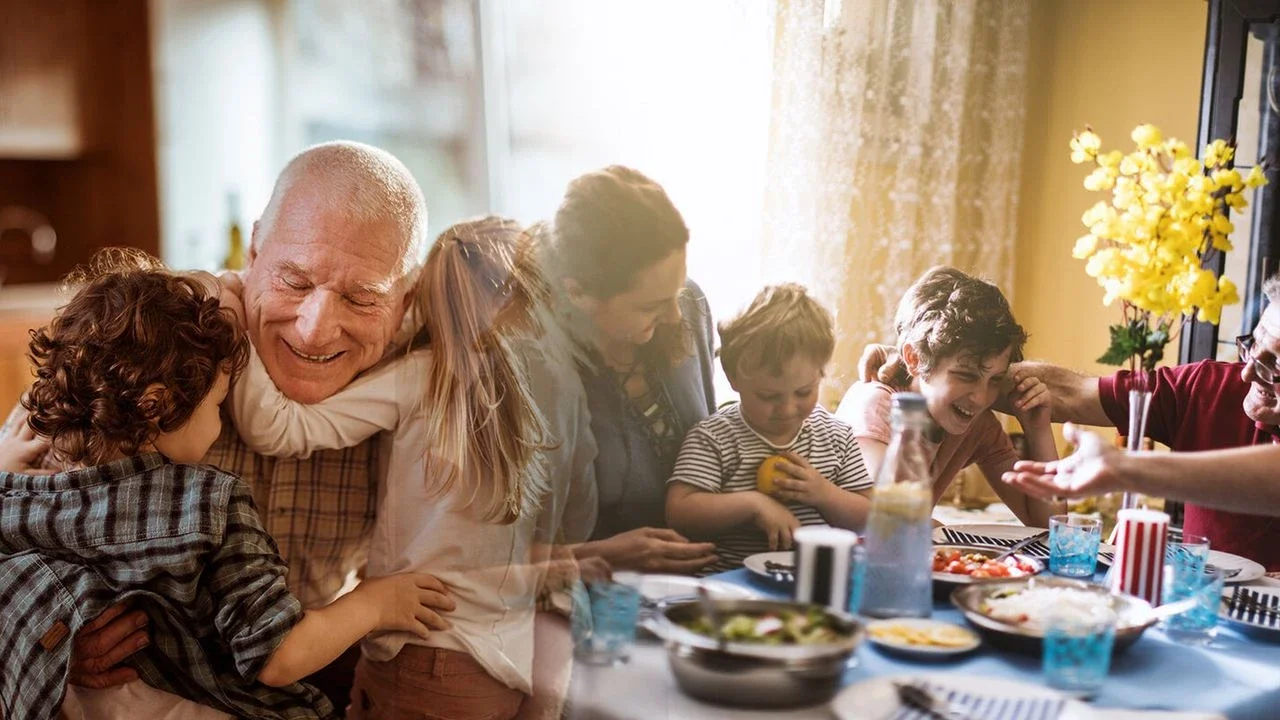
During the holiday, elders and neighbors are visited. Elders are shown respect, children receive holiday money, and sweets are served. This ritual strengthens family ties and communal unity.
Activities for Children
- Giving Holiday Money: Providing children with small gifts or money adds joy to the celebration.
- Offering Sweets and Treats: Serving sweets to children makes the holiday fun and memorable.
Eid Tables and Meals
Eid tables represent cultural heritage and the spirit of sharing. Common dishes in Turkey include:
- Kavurma: A classic dish prepared on the first day of Eid.
- Rice with meat (pilaf) and kebabs: Served throughout the holiday.
- Pastries and stuffed dishes: Offered during visits to family and neighbors.
Modern-Day Eid Rituals
With the advancement of technology, some traditions have evolved. Online donations, digital greetings, and social media celebrations have become common. However, in-person visits, Eid prayer, and the sacrificial ritual remain highly important.
Conclusion
Eid al-Adha in Turkey is celebrated as both a religious obligation and a cultural heritage. Preparations before the holiday, rituals performed on the day, and sharing traditions strengthen family bonds and social solidarity.
Maintaining these traditional rituals and passing them on to future generations is one of the most important ways to preserve the true spirit of Eid al-Adha.