What Should We Consider When Evaluating Daily Transportation Options?
As the pace of daily life increases, mobility within cities inevitably becomes more important. Commuting to work, traveling to school, social activities, and daily errands make transportation a factor that directly affects both time and budget. For this reason, people feel the need to evaluate their transportation choices not only in terms of speed or comfort, but also from an economic perspective.
Since each individual’s lifestyle, income level, and city differ, it is not possible to talk about a single ideal transportation method. However, comparing the costs of different alternatives can help people make more informed decisions.
Common Transportation Alternatives in Urban Life
Today, transportation options used in cities have become quite diverse. Public transportation, private vehicle use, shared solutions, and individual alternatives are among the indispensable parts of daily life.
The Economic Aspect of Public Transportation
Public transportation is one of the most commonly used methods, especially in large cities. Since buses, subways, trams, and similar vehicles carry many passengers at once, the cost per person is generally lower. Monthly or discounted cards can make this option even more attractive.
However, the number of transfers, overcrowding during peak hours, and waiting times may increase the time cost. Therefore, the economic advantage of public transportation should be evaluated together with time expectations.
The Budget Impact of Using a Private Vehicle
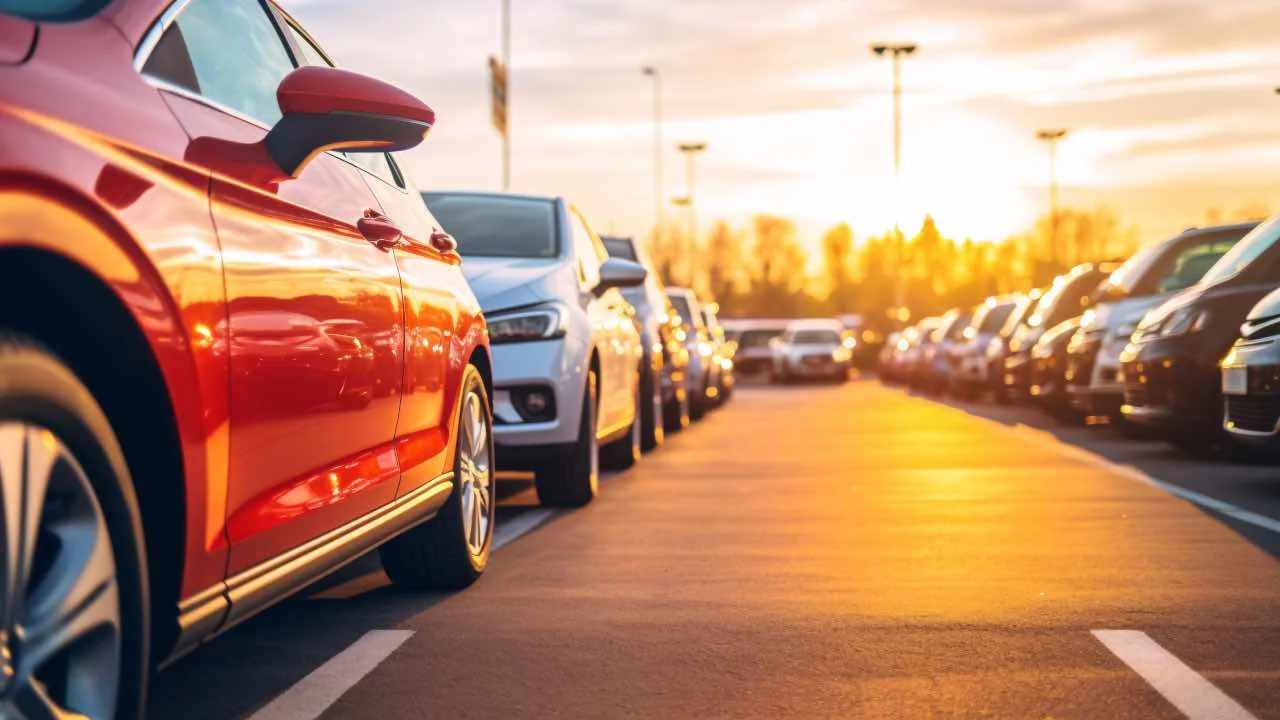
Using a personal vehicle offers significant advantages in terms of comfort and flexibility. Being able to leave at any desired time and not being tied to fixed routes is a major benefit for many people. However, this freedom comes at a cost.
Fuel expenses, routine maintenance, insurance, taxes, and parking fees increase the overall cost of private vehicle use. In addition, time lost in heavy traffic and stress can be considered indirect costs.
Alternative Solutions for Short Distances
Walking and cycling offer economical and environmentally friendly options, especially for short distances. Since they do not require direct spending, they are budget-friendly. At the same time, providing physical activity is an important health benefit.
However, weather conditions, road safety, and distance length may limit the practicality of these options.
How to Balance Time and Cost?
In transportation choices, not only money but also time is a critical factor. If a cheaper option significantly extends travel time, daily productivity may decrease. For individuals with busy work schedules, time is just as valuable as financial resources.
At this point, personal priorities come into play. While some people focus on saving money, others value comfort and speed. The best choice is achieved by maintaining a balance between these two factors.
The Impact of Daily Habits on Total Expenses
Small daily expenses can add up to significant amounts by the end of the month. Transportation is one of the main contributors. Reviewing daily habits is therefore an effective way to control the budget in the long term.
For example, choosing alternative transportation methods a few days a week can noticeably reduce monthly expenses. Similarly, adjusting travel times to avoid congestion can save time.
A More Balanced Transportation Experience Through Conscious Choices
Instead of relying on a single method, evaluating different options based on circumstances is often more sensible. Considering factors such as weather, distance, time of day, and personal needs allows for more efficient use of both budget and time.
In conclusion, transportation in city life is not merely about getting from one place to another. With proper planning and conscious choices, it is possible to create a daily routine that is both economical and comfortable. This approach becomes an important factor in improving overall quality of life in the long run.