
What Is Ramadan? Its Meaning, Significance, and Virtues (2026 Updated Guide)
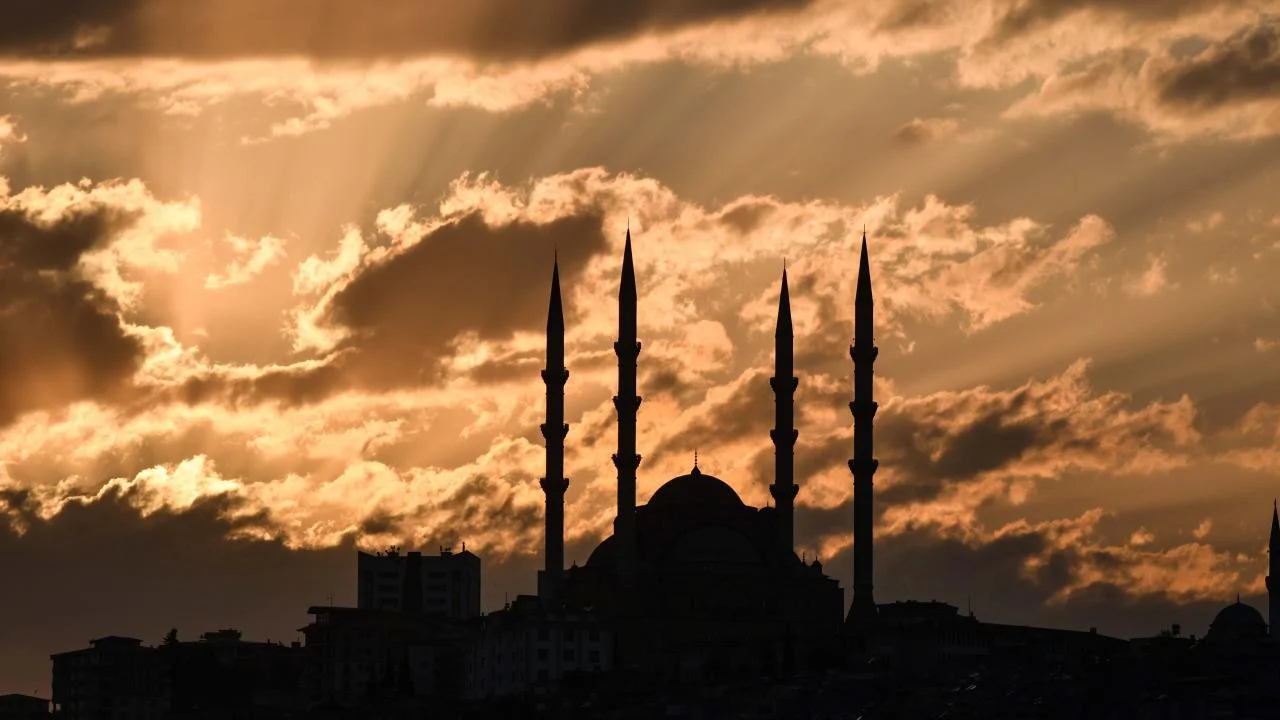
What Is Ramadan?
Ramadan is the ninth month of the Islamic (Hijri) calendar and the month during which fasting is obligatory for Muslims. Fasting, one of the Five Pillars of Islam, requires abstaining from food, drink, and certain physical needs from dawn (Fajr) until sunset (Maghrib).
However, Ramadan is not just about staying hungry or thirsty. It is a month of spiritual reflection, self-control, and purification. According to Islamic belief, the Qur’an was first revealed during this month. For this reason, Ramadan is also known as the “Month of the Qur’an.” Muslims dedicate more time to prayer, recitation of the Qur’an, and charitable acts during this period.
The Meaning of Ramadan
The word “Ramadan” comes from the Arabic root “ramad,” which means intense heat or dryness. Spiritually, it symbolizes the burning away of sins and personal purification. In other words, Ramadan offers believers an opportunity to cleanse themselves spiritually and make a fresh start.
During this month, not only the body fasts but also the tongue and the heart. Avoiding hurtful speech, practicing patience, and showing kindness are essential aspects of Ramadan. Gathering around the iftar table with family and loved ones strengthens bonds and highlights the spirit of unity and gratitude.
The Importance of Ramadan
Ramadan holds a special place in Islam for several reasons:
-
Fasting is made obligatory during this month.
-
The Qur’an was revealed in Ramadan.
-
Laylat al-Qadr (the Night of Power), which is believed to be better than a thousand months, occurs during this month.
-
Acts of charity such as Zakat and Fitr (Fitrah) gain special importance.
Ramadan is also a time when social solidarity increases. Helping those in need, organizing iftar meals, and strengthening community ties are common practices. It is a month when compassion, generosity, and empathy become more visible in daily life.
The Virtues of Ramadan
Ramadan offers numerous spiritual and personal benefits:
1. An Opportunity for Forgiveness
Ramadan is known as a month of repentance and prayer. Sincere worship and good deeds are believed to carry greater rewards during this time.
2. Patience and Self-Discipline
Fasting teaches individuals to control their desires and develop patience. Experiencing hunger and thirst fosters empathy for those who struggle with poverty and hardship.
3. Spiritual Peace
Increased prayer, especially the nightly Taraweeh prayers, and supplications made at dawn create a deep sense of inner peace and reflection.
4. Charity and Solidarity
Giving Zakat and Fitr strengthens social bonds and promotes a sense of shared responsibility within the community. The blessing of sharing meals at iftar reflects the true spirit of Ramadan.
When Is Ramadan in 2026?
In 2026, Ramadan is expected to begin in mid-February, according to astronomical calculations of the Islamic calendar. However, the exact starting date may vary depending on the official moon sighting announcements made by religious authorities in different countries.
Recommended Practices During Ramadan
To make the most of Ramadan, consider the following:
-
Create a daily Qur’an reading plan
-
Keep track of suhoor (pre-dawn meal) and iftar times
-
Support those in need through charity
-
Strengthen family and community relationships
-
Avoid negative behavior and focus on self-improvement
Ramadan is not only about religious duties but also about moral growth and spiritual renewal. Approaching the month consciously and mindfully can lead to lasting positive changes.
Conclusion
Ramadan is the month of patience, generosity, and spiritual renewal. Through fasting, individuals learn gratitude and self-control, while charitable acts strengthen community bonds. As Ramadan 2026 approaches, it is important to prepare both spiritually and practically to benefit fully from this sacred time.
In many ways, Ramadan can be seen as a month-long spiritual training. It teaches patience, gratitude, empathy, and compassion—values that ideally continue long after the month ends.