What Foreigners Should Consider When Renting a Car in Turkey

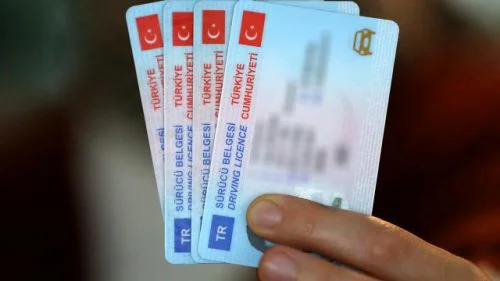
1. Valid Driver’s License and Documents
The basic requirements for renting a car in Turkey include:
-
Valid foreign driver’s license: Some rental companies prefer an International Driving Permit (IDP).
-
Passport: Required for identity verification during the rental process.
-
Credit card: Most companies require a credit card for the security deposit; cash is usually not accepted.
📌 Note: Having your license written in Latin letters will speed up the process.
2. Car Insurance and Additional Coverage
Insurance is crucial for your safety while renting a car. Important considerations for foreigners include:
-
Mandatory Traffic Insurance (Third Party Liability): Required for all vehicles in Turkey.
-
Comprehensive Insurance / Full Coverage: Provides extra protection against accidents, theft, or damage.
-
Additional driver and roadside assistance options: Useful for long trips.
🚗 Carefully reviewing the insurance coverage helps prevent unexpected costs.
3. Vehicle Type and Road Conditions
Turkey’s roads vary between cities and rural areas, so choosing the right car is important:
-
City driving: Small, economical cars are ideal for traffic and parking.
-
Rural and tourist areas: SUVs or 4x4 vehicles may be more suitable.
-
Long trips: Comfortable and fuel-efficient vehicles are recommended.
4. Read the Rental Agreement Carefully
Many foreigners sign the rental contract without reading the details. Key points include:
-
Rental period and return time
-
Fuel policy (full-to-full, full-to-empty)
-
Extra charges (late return, additional mileage, additional drivers)
-
Damage and penalty clauses
📌 Ensure that all details are clear. If you don’t speak Turkish, request an English version of the contract.
5. Traffic Rules and Local Driving Habits
Traffic in Turkey may feel different for foreigners:
-
Urban speed limits: 50–70 km/h
-
Highway speed limits: 110–120 km/h
-
Seat belts are mandatory
-
Zero tolerance for alcohol while driving (0.0% BAC)
🚦 Following traffic rules ensures safety and avoids fines.
6. Navigation and Road Assistance
-
Use GPS or map applications to plan both city and intercity trips.
-
Prefer rental companies that offer roadside assistance, especially for long or rural journeys.
7. Vehicle Inspection and Return
When picking up the car:
-
Check the exterior and interior for any damages and take photos.
-
Note fuel levels and tire conditions.
-
Keep all documents to avoid disputes during vehicle return.
Conclusion: How Foreigners Can Rent a Car in Turkey Successfully
Renting a car in Turkey is the key to a free and enjoyable travel experience. By paying attention to valid documents, proper insurance, suitable vehicle selection, and local traffic rules, you can make the process smooth and safe.