What Do the Lights on Your Car's Dashboard Mean?
Modern vehicles are equipped with various dashboard lights that provide drivers with real-time information about the condition of the car. These lights are crucial for ensuring your safety and maintaining your vehicle's performance. However, many drivers do not fully understand what these lights mean and may fail to take necessary precautions in time. In this article, we explain the main dashboard lights and their meanings.
Dashboard Lights and Their Meanings
1. Check Engine Light
The check engine light indicates a problem with the engine or exhaust system. If the light stays on, it is important to take the car to a service center safely.
-
Possible causes: sensor malfunction, emission problem, fuel system issue.
-
First step: Drive calmly before stopping and schedule a service appointment.
2. Oil Pressure Warning Light
This light indicates low engine oil pressure. Low oil pressure can damage engine components.
-
Action: Stop immediately, check the oil level, and refill if necessary.
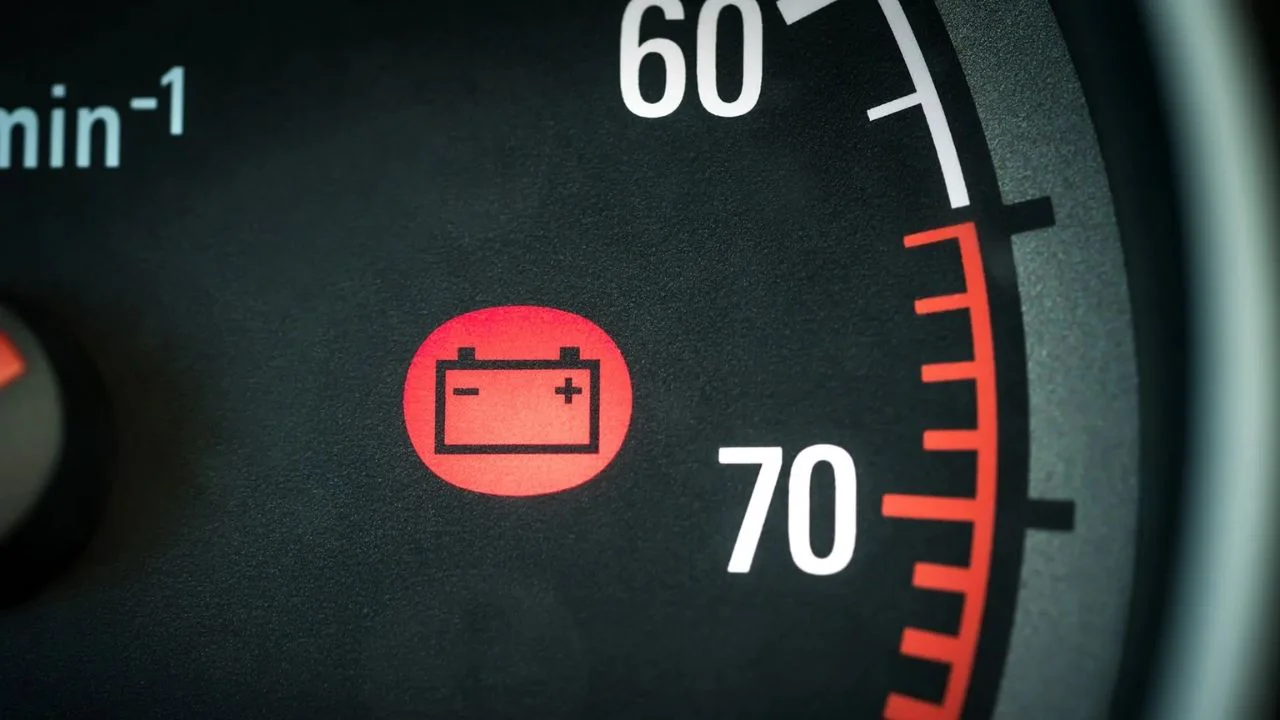
3. Battery/Charging System Light
The battery light indicates a problem with the charging system, possibly an alternator or battery issue.
-
Action: Stop the vehicle safely and check battery connections.
4. Brake System Warning Light
The brake light indicates that the handbrake is engaged or there is a problem with the braking system.
-
Action: Check the handbrake.
-
If the light does not turn off, check brake fluid and system.
5. Tire Pressure Warning Light (TPMS)
Low tire pressure reduces fuel efficiency and compromises safety.
-
Action: Adjust tire pressure according to manufacturer recommendations.
-
Check tires for wear or damage.
6. ABS Light (Anti-lock Braking System)
The ABS light indicates a problem with the braking system or that ABS is deactivated.
-
Brakes still work, but without ABS support.
-
Have the system checked by a service center.
7. Airbag Warning Light
The airbag light indicates a system malfunction. Airbags may not deploy in a crash.
-
Action: Take the vehicle to an authorized service center.
8. Coolant/Temperature Warning Light
Indicates the engine is overheating, which can cause serious damage.
-
Action: Stop the vehicle, allow the engine to cool, and check coolant level.
The Importance of Dashboard Lights
Dashboard lights are early warning systems that protect your car's health and your safety. Ignoring them can lead to costly repairs and serious safety risks.
-
Understanding each light allows timely intervention.
-
Regular maintenance prevents unnecessary warning lights.
Conclusion: Don’t Ignore Dashboard Lights
Knowing what the lights on your dashboard mean increases driving safety and extends the life of your vehicle. Each warning light is an early indicator of a potential problem, making it essential to pay attention to them for both financial and safety reasons.