What Are the Traditions of Eid al-Adha? Customs from Family to Society
Meaning and Importance of Eid al-Adha
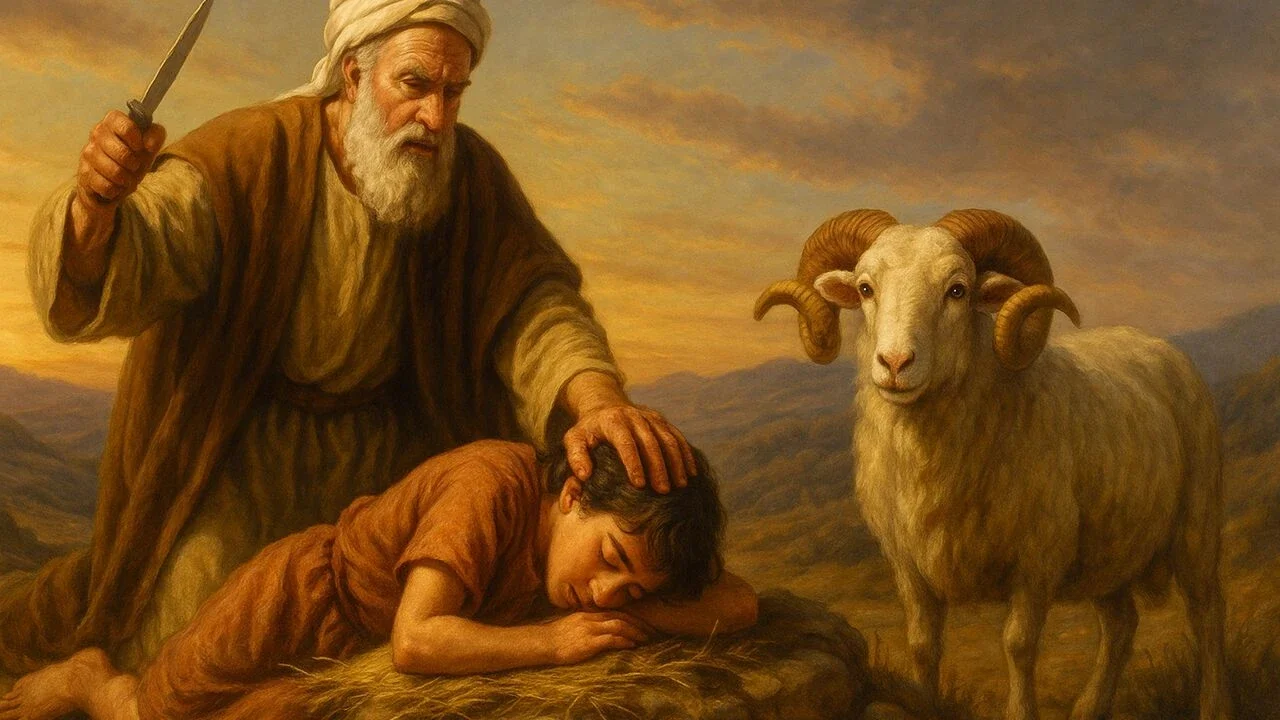
Eid al-Adha commemorates the devotion of Prophet Ibrahim (Abraham) to God. To demonstrate his obedience, Prophet Ibrahim was ready to sacrifice his son. However, God commanded him to sacrifice an animal instead, as a test of his loyalty. This event is observed annually as Eid al-Adha with religious rituals and celebrations.
In Turkey, Eid al-Adha is not only an act of worship; it is also a period that emphasizes social solidarity, neighborly relations, and the preservation of cultural heritage.
Pre-Holiday Practices
Cleaning and Preparing the Home
Homes are thoroughly cleaned before the holiday, symbolizing a peaceful and blessed start to the celebrations. New tablecloths, rugs, and home accessories are often added as part of the preparations.
Holiday Clothing
Family members, especially children, receive new clothes for the holiday. Holiday clothing highlights the importance of the occasion and brings excitement and joy to the household.
Choosing the Sacrificial Animal
Sacrificial animals must be healthy and meet religious requirements. Animals are checked for age, breed, and physical condition. This process ensures both compliance with religious rules and the welfare of the animal.
Traditions on the Day of Eid
Eid Prayer
On the morning of Eid, congregational prayers are held in mosques, reinforcing both religious devotion and community unity. After the prayer, people greet each other and the holiday celebrations begin.
Sacrifice and Sharing of Meat
Sacrificial animals are slaughtered according to religious rules, and the meat is divided into three parts:
- For those in need
- For family and neighbors
- For the household
This sharing tradition reflects the spirit of helping others and social solidarity.
Visiting Relatives and Neighbors
Family members and neighbors visit one another. Elders are greeted with respect, and children receive holiday money. During these visits, sweets and various traditional dishes are served.
Traditions for Children
Holiday Money
Giving children holiday money adds joy to the celebrations and teaches them the value of sharing from a young age.
Sweets and Treats
Offering sweets and treats to children makes the holiday fun and memorable.
Stories and Meanings Behind Eid Traditions
The Story of Prophet Ibrahim
The most well-known story of Eid al-Adha is Prophet Ibrahim’s devotion to God. This story conveys values of loyalty, patience, and faith across generations.
Social Solidarity
Distributing meat to those in need symbolizes solidarity and mutual support within the community. Each household takes part in this collective responsibility during the holiday.
Family and Unity Stories
Visiting relatives and family gatherings strengthen familial bonds and intergenerational respect. These traditions serve as cultural ties that unite families and communities.
Eid Tables and Meals
Eid tables are a symbol of cultural heritage and sharing. Common dishes in Turkey include:
- Kavurma: A classic dish prepared on the first day of Eid.
- Rice with meat (pilaf) and kebabs: Meat served in various preparations.
- Pastries and stuffed dishes: Traditionally offered during visits to relatives and neighbors.
These meals strengthen family bonds and reflect hospitality and sharing.
Eid al-Adha in Modern Times
Some traditions have evolved with technology. Online donations and digital holiday greetings have become common. However, in-person visits and the traditional sacrificial rituals continue to hold great importance.
Conclusion
Eid al-Adha in Turkey is more than a religious observance; it is a period of cultural heritage and social solidarity. The customs and traditions of the holiday transmit values of sharing, respect, and unity across generations.
Preserving these traditions and passing them on to future generations is one of the most important ways to maintain the true spirit of Eid al-Adha.