What Are the Traditions of Eid al-Adha? A Detailed Guide
In this article, we explore the traditions of Eid al-Adha in detail, from past to present.
What Is Eid al-Adha and Why Is It Celebrated?
Eid al-Adha is based on the story of Prophet Ibrahim’s devotion to God in Islamic belief. During this holiday, Muslims who are financially able perform the ritual sacrifice (Qurbani), fulfilling a religious obligation while also helping those in need.
This holiday is not just a religious duty; it is also a time when social solidarity is strongly felt across communities.
Pre-Holiday Preparations
Preparations for Eid al-Adha usually begin days in advance, creating a sense of activity both in households and across society.
House Cleaning and Holiday Clothing
Before the holiday, homes are thoroughly cleaned. New clothes are purchased, especially for children. This tradition symbolizes starting the holiday fresh and renewed.
Selecting the Sacrificial Animal
Those who plan to perform the sacrifice select their animals beforehand. It is important that the animal meets certain health and age criteria. In large cities, this process typically takes place in designated animal markets.
Traditions on the First Day of Eid
The first day of Eid al-Adha is when the most important rituals take place.
Eid Prayer
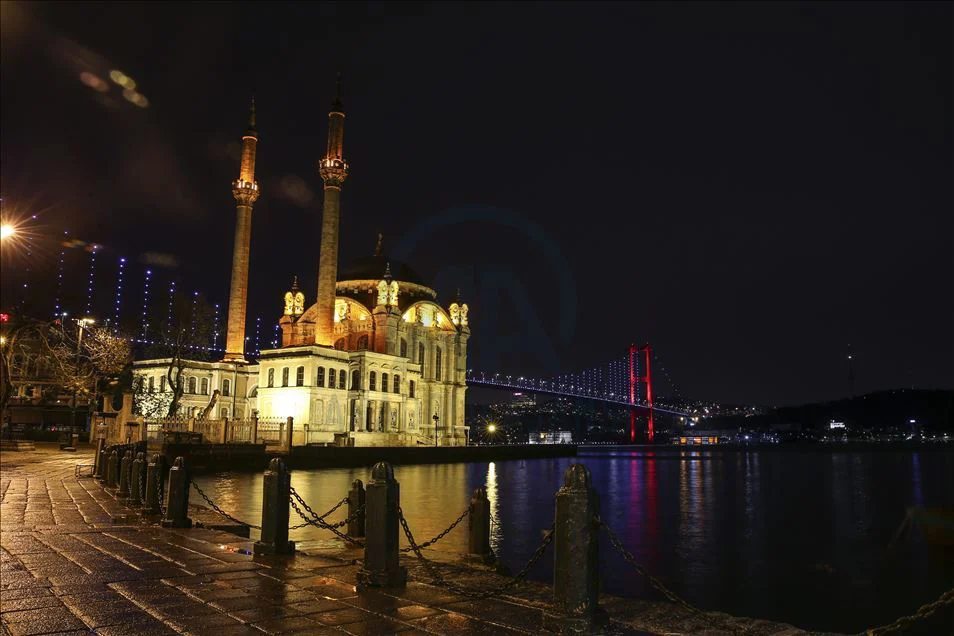
Early in the morning, people gather in mosques to perform the Eid prayer. Since it is performed جماعة (in congregation), it strengthens the sense of unity and togetherness.
The Sacrifice Ritual
After the prayer, the sacrificial ritual is carried out. It is performed according to specific religious guidelines, with great attention paid to hygiene and proper procedures.
Sharing the Meat
It is a common tradition to divide the meat into three parts:
- One portion is given to those in need
- One portion is shared with relatives and neighbors
- The remaining portion is kept for the household
This distribution represents one of the core meanings of the holiday: sharing and generosity.
Family and Social Visits
Eid al-Adha is a special time for strengthening family bonds.
Visiting Elders
Visiting elders is an essential tradition. Younger people show respect by greeting elders, often kissing their hands and receiving their blessings.
Eid Greetings
Relatives, neighbors, and friends visit each other. During these visits, sweets, desserts, and traditional treats are served.
Traditions for Children
Eid al-Adha is also a joyful time for children.
Eid Allowance
Giving money (Eidi) to children is a widely practiced tradition, making the holiday more enjoyable and memorable for them.
Sweets and Treats
Children are offered candies and chocolates in the homes they visit, adding to the festive atmosphere.
Traditional Dishes Made with Sacrificial Meat
Holiday meals are an essential part of Eid al-Adha celebrations.
- Kavurma (fried meat dish)
- Rice pilaf with meat
- Various kebabs
- Pastries and stuffed dishes
Kavurma, especially prepared on the first day, is one of the most iconic dishes of the holiday in Turkish cuisine.
Culture of Charity and Solidarity
One of the most important aspects of Eid al-Adha is helping others. Assistance to those in need goes beyond meat distribution and includes both financial and emotional support.
Donations made through charitable organizations help extend the spirit of the holiday to a wider community.
Eid al-Adha Traditions in Modern Times
With technological advancements, some traditions have evolved. Online donations and virtual greetings have become more common. However, face-to-face visits and traditional practices still maintain their importance.
Conclusion
Eid al-Adha is not only a religious observance but also a period when cultural heritage is kept alive and people come closer together. With values like sharing, compassion, and unity at its core, this holiday continues to be a cornerstone of society.
Preserving these traditions and passing them on to future generations is one of the most meaningful ways to keep the true spirit of Eid alive.