Wedding Traditions You Must Know in Turkey
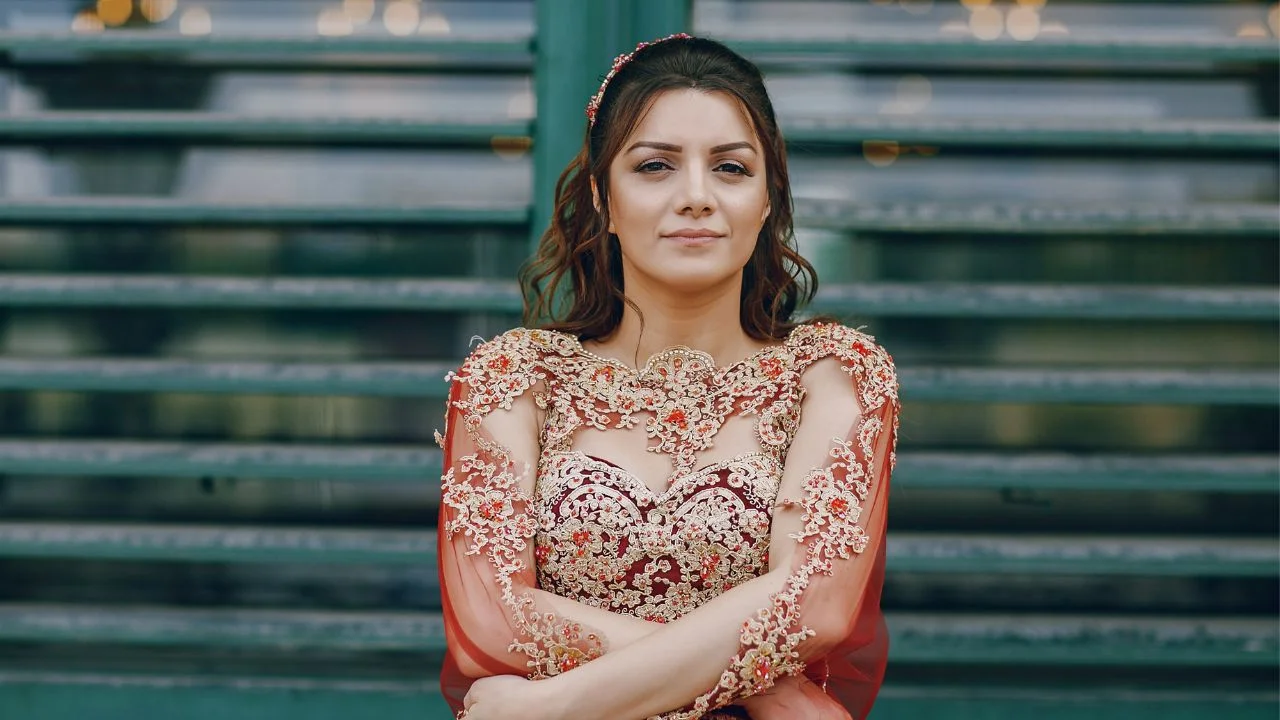
1. Henna Night: The Bride’s Farewell
Henna Night is one of the most colorful and emotional traditions in Turkish weddings. Usually held one or two days before the wedding, it brings the bride together with her close friends and family for a meaningful farewell.
Key rituals of Henna Night:
-
Applying henna: Red henna is applied to the bride’s palms as a symbol of happiness, blessings, and good luck in her marriage.
-
Songs and folk dances: Traditional songs are sung, and dances such as the halay are performed throughout the night.
-
Tears and farewells: The bride emotionally says goodbye to her family, symbolizing strong family bonds and love.
2. Bride Pickup and Wedding Procession
On the wedding day, the bride is traditionally taken from her home to the groom’s home or the wedding venue. This ritual symbolizes the union of two families and the bride’s step into her new life.
Highlights:
-
The bridal car is decorated, and a convoy is formed, often accompanied by drums and traditional instruments.
-
In some regions, the procession is welcomed by locals with applause and flowers.
-
Emotional moments during the bride’s departure symbolize farewells to the past and the beginning of a new chapter.
3. Jewelry Ceremony: Blessings and Support
It is very common for guests to give gold or money to the bride and groom during the wedding.
The meaning of the jewelry ceremony:
-
Represents the financial and emotional support of family and close friends.
-
Brings prosperity and blessings to the couple’s life together.
-
Serves as a social sharing practice that strengthens community bonds.
4. Wedding Ceremony and First Dance
In modern Turkish weddings, the first dance has become a meaningful ritual. It symbolizes the couple’s journey together in life.
Key features:
-
Usually performed to a romantic song.
-
Guests participate and share in the couple’s happiness.
-
In some regions, traditional folk dances are included to enrich the ceremony.
5. Food Culture and Sharing
Weddings in Turkey are also an opportunity to celebrate food and sharing. Sharing meals with guests strengthens family and community ties.
-
Regional dishes: Each region has its own unique wedding dishes.
-
Bride’s dessert: In some regions, a special dessert is prepared and shared with guests.
-
Meals symbolize unity and togetherness.
6. Throwing Money and Handkerchiefs
In some weddings, guests throw money or handkerchiefs at the bride and groom. This tradition symbolizes blessings and prosperity.
-
Reflects the guests’ support and good wishes.
-
Intended to bring abundance and happiness to the newlyweds’ life.
7. Regional Variations in Weddings
Weddings differ across Turkey, enriched by local customs:
-
Black Sea region: Lively music, horon dancing, and traditional costumes stand out.
-
Southeastern region: Large convoys, drums, and regional foods are common.
-
Aegean region: Celebrated with halay and zeybek folk dances.
These regional differences make Turkish weddings rich and unique.
Conclusion: Traditions Make Weddings Unforgettable
Weddings in Turkey are not only celebrations but also a way to preserve cultural heritage. From Henna Night to the wedding ceremony, from the jewelry presentation to the first dance, every ritual offers an unforgettable experience for the couple and their families. These traditions ensure that weddings become a cultural legacy passed down from generation to generation, combining both joy and meaningful symbolism.