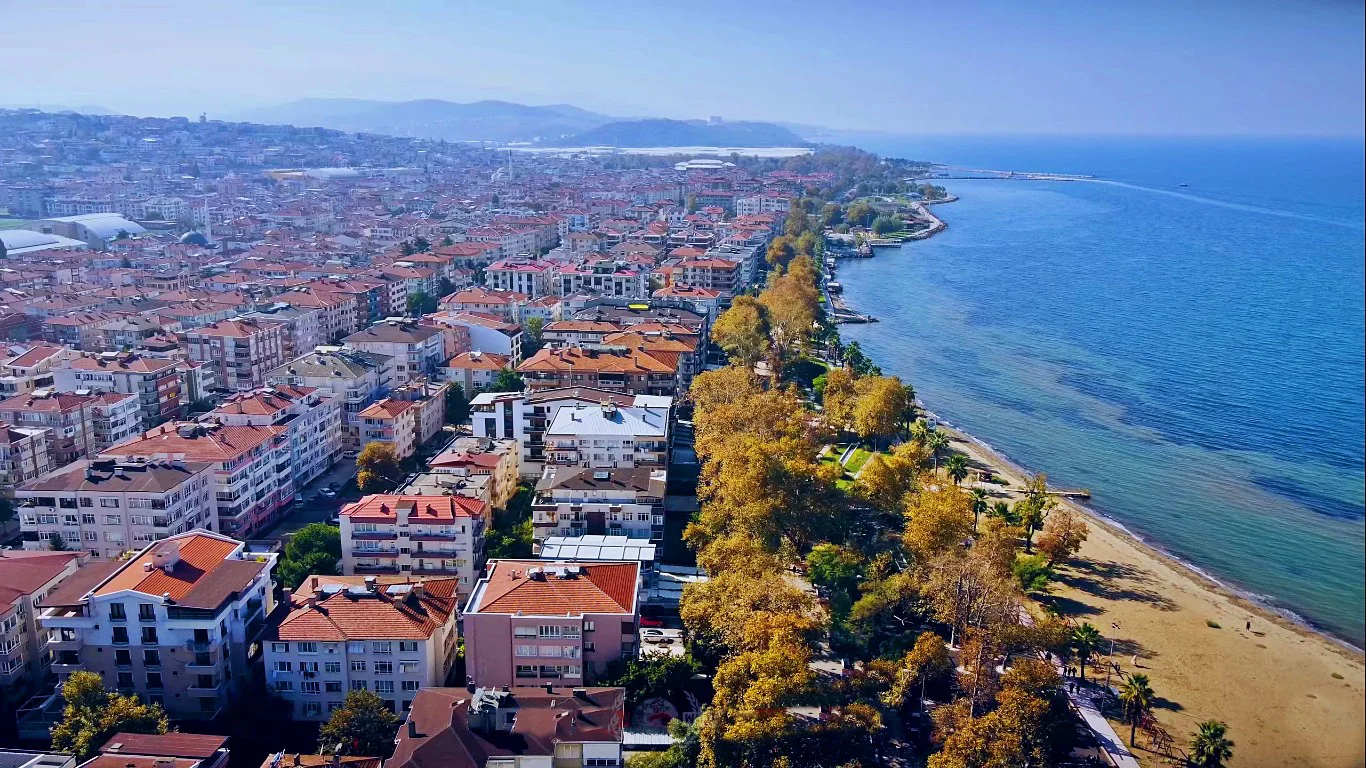
VR Technology in Tourism: Transition from Traditional Trips to the Virtual World

With the advancement of technology, the tourism industry is undergoing a significant transformation. Traveling used to mean physically going somewhere, but now, thanks to virtual reality (VR) technology, it has gained a whole new dimension. The transition from traditional trips to the virtual world is not only redefining the concept of travel but also making it easier for everyone to access the most distant and exotic places around the world.
Virtual Reality and Tourism: A New Horizon
Virtual reality is a technology that allows users to experience a completely digital environment. The integration of VR technology into the tourism sector has fundamentally changed the way we travel. Now, without physically going to a destination, we can explore every corner of it with VR headsets. From the Louvre Museum to the Pyramids of Egypt, some of the world’s most famous tourist destinations have been brought into the virtual realm, making travel more accessible than ever.
Why is VR Technology Changing Tourism?
-
Time and Budget Savings
Real-life travel requires time and money. Flights, accommodation, and food are just a few of the costs associated with it. With VR, you can explore unlimited destinations at a low cost, without these expenses. It’s also an excellent alternative for those who can't travel due to busy schedules or personal reasons. -
Breaking Barriers
People with physical disabilities may face challenges when it comes to long-distance travel. VR technology allows disabled individuals to easily access world-famous tourist spots. For example, they can visit museums or historical sites that are difficult to physically reach, all through VR headsets. -
Exploration and Education
VR travel doesn’t just offer fun experiences—it can also be used for educational purposes. Students can visit historically important sites virtually and make their learning experience interactive and engaging. Exploring the Egyptian pyramids or the Roman Empire in virtual reality can be part of a class or a personal discovery journey.
VR Travel: A New Way to Explore the World
For many travel enthusiasts, VR technology is seen as the future of travel. Especially after the pandemic, when physical travel was restricted, VR allowed people to satisfy their desire to travel virtually. For example, experiencing Japan’s cherry blossoms or watching the Northern Lights can now be done from the comfort of your home. These experiences help you explore different cultures, landscapes, and atmospheres without having to physically travel.
The Future of VR in Tourism
The future of tourism is bound to be more integrated with VR technology. As this technology develops, not only the exploration of tourist sites but also hotels, restaurants, and other travel services can be presented in virtual environments. In the coming years, people may be able to virtually experience staying at a hotel and explore a city before even setting foot in it.
In conclusion, virtual reality in tourism does not only make travel more convenient but also offers new experiences and opportunities. The transition from traditional trips to the virtual world offers practical solutions for travelers while allowing exploration of every part of the world, from the smallest villages to the largest cities. In the future, our travel experiences will continue to evolve and become more accessible and exciting in the virtual realm.