
Vehicle Maintenance and Traffic Safety: Pre-Driving Checks
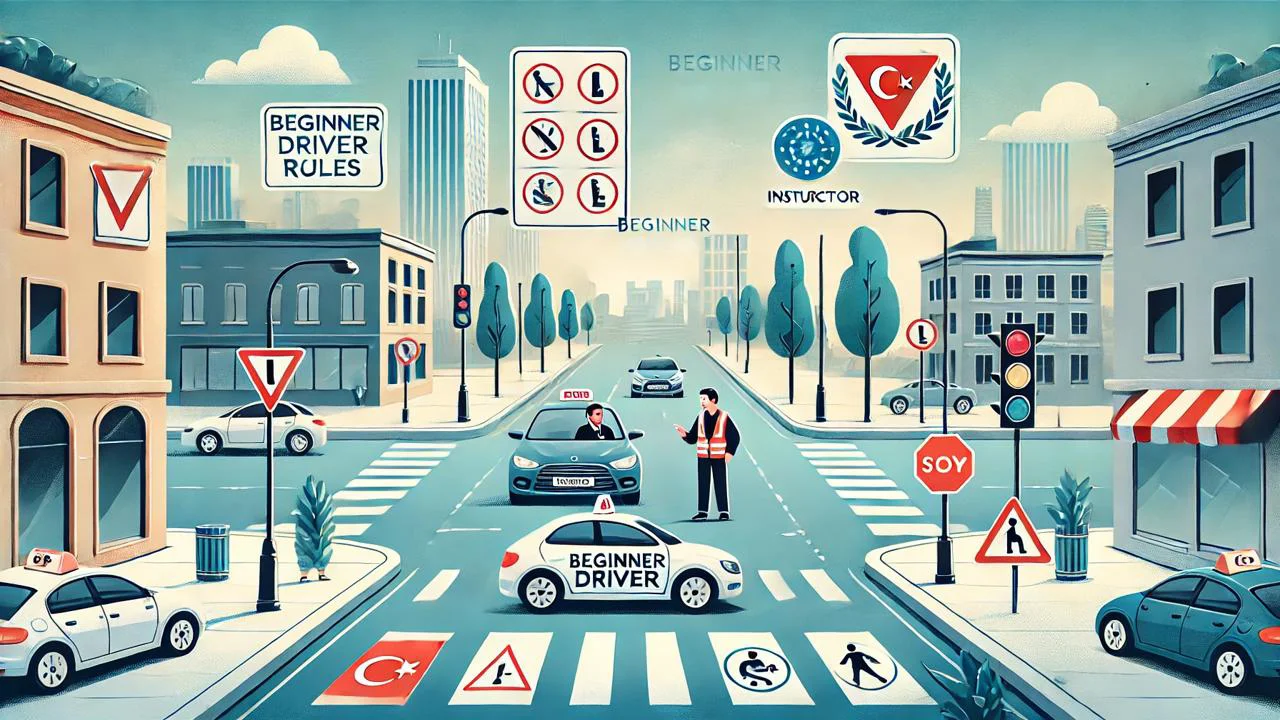
The first step to a safe journey is regularly performing pre-driving checks on your vehicle. To ensure safety on the road and prevent potential accidents, there are essential measures that both vehicle owners and drivers should take. Here are the main points to consider:
1. Tire Checks
Tires directly affect the vehicle’s grip on the road and braking distance. Pre-driving checks include:
-
Air pressure: Should match the values recommended by the manufacturer.
-
Tread depth: Minimum 1.6 mm; if less, the tire should be replaced.
-
Damage and cracks: Worn or cut tires pose a risk.
2. Brake System
Brakes are one of the most critical components for safe driving. Points to check:
-
Response time and firmness of the brake pedal.
-
Adequate brake fluid level.
-
Wear of brake pads.
3. Lighting and Indicators
Visibility is very important for driving safety. Points to check:
-
Headlights, brake lights, turn signals, and fog lights are working.
-
Warning lights on the dashboard are functioning.
4. Engine and Fluids
For engine health and vehicle performance, the following fluids should be checked regularly:
-
Engine oil level.
-
Windshield washer fluid and antifreeze.
-
Transmission and brake fluid levels.
5. Safety Equipment
The vehicle’s essential safety equipment should also be checked before driving:
-
Seat belts.
-
Airbags (can be checked with warning lights).
-
First aid kit and emergency reflectors.
6. General Checklist
A quick pre-driving check can prevent potential problems:
-
Cleanliness of windows and mirrors.
-
Doors and trunk are securely closed.
-
Items inside the vehicle are properly secured.
Conclusion
Simple pre-driving checks increase safety for both you and other drivers on the road. Drivers who adopt a regular maintenance and careful checking habit can minimize unexpected accidents and breakdown risks. Remember: a safe vehicle means a safe journey.