Turkey Traffic Rules: Essential Information for Foreign Drivers

1. Driving License and Age Requirement
-
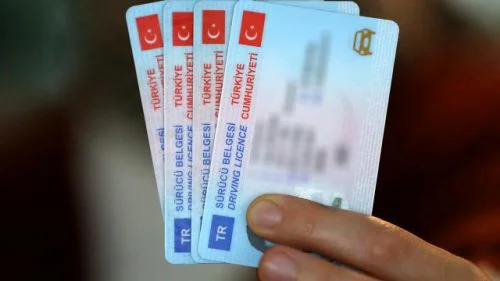
Driving with a foreign license: Foreign drivers can drive in Turkey with a valid foreign driver’s license. However, it’s recommended that the license is written in English or Turkish for better understanding.
-
Age limit: The minimum legal driving age in Turkey is 18. However, rental companies typically require drivers to be at least 21 years old to rent a car.
2. Traffic Signs and Use of Indicators
-
Traffic signs: Turkey’s traffic signs generally follow European standards and use international symbols. Still, there might be local signs and rules, so it's important to stay alert.
-
Use of indicators: The use of indicators is very important in Turkey. Drivers must signal when changing lanes or approaching intersections. Failure to do so may result in a fine.
3. Speed Limits
Speed limits in Turkey vary depending on the type of road and area. Foreign drivers should be aware of these speed limits to avoid fines and accidents:
-
Motorways (Express roads): 120 km/h (75 mph)
-
Intercity roads: 90 km/h (56 mph)
-
Urban roads: 50 km/h (31 mph), but this can be as low as 30 km/h in certain areas.
Adhering to these speed limits helps avoid fines and ensures safer travel.
4. Alcohol and Drug Use
-
Alcohol limit: In Turkey, the legal alcohol limit for drivers is 0.5 grams per liter of blood. Exceeding this limit can lead to heavy fines and even the suspension of your driving license.
-
Drug use: Driving under the influence of drugs is strictly prohibited in Turkey. It can result in severe penalties, including imprisonment.
5. Intersections and Yielding Rules
-
Yielding at intersections: In Turkey, drivers must yield to vehicles approaching from the right at intersections, except where otherwise indicated by road signs. However, always stay alert, even when the traffic light is green, as drivers may act unpredictably.
-
Yield signs: Pay attention to yield signs and traffic lights. It is also a legal requirement to stop at pedestrian crossings when pedestrians are present.
6. Parking and No Parking Zones
-
Parking: Finding a parking spot can be challenging, especially in city centers and tourist areas. Be sure to park in designated parking areas or paid parking spaces.
-
No parking zones: Avoid parking in areas marked as no parking zones, as doing so can lead to fines or your car being towed.
7. Mobile Phone Use and Other Distractions
Using a mobile phone while driving is prohibited in Turkey. If you need to use your phone, you must have a hands-free device. Additionally, avoid other distractions that can take your attention away from the road.
8. Car Insurance and Liability
Foreign drivers are advised to purchase comprehensive insurance when renting a car in Turkey. This insurance will help protect you in case of an accident. Also, remember that you are responsible for any damage caused to third parties in an accident.
9. Safety Measures During the Journey
-
Seat belts: Wearing seat belts is mandatory in Turkey for both the driver and all passengers. Failure to comply with this law can result in fines.
-
Child seats: Children under the age of 12 must be seated in an appropriate child seat.
Conclusion: Following Traffic Rules in Turkey is Crucial for Your Safety
Following Turkey’s traffic rules is not only a legal responsibility but also essential for your safety. Foreign drivers can ensure a safer and more enjoyable trip by familiarizing themselves with these road safety regulations. When renting a car, adhering to local traffic laws is the best way to avoid accidents and fines.