
Traffic and Road Safety Guide for Intercity Travel
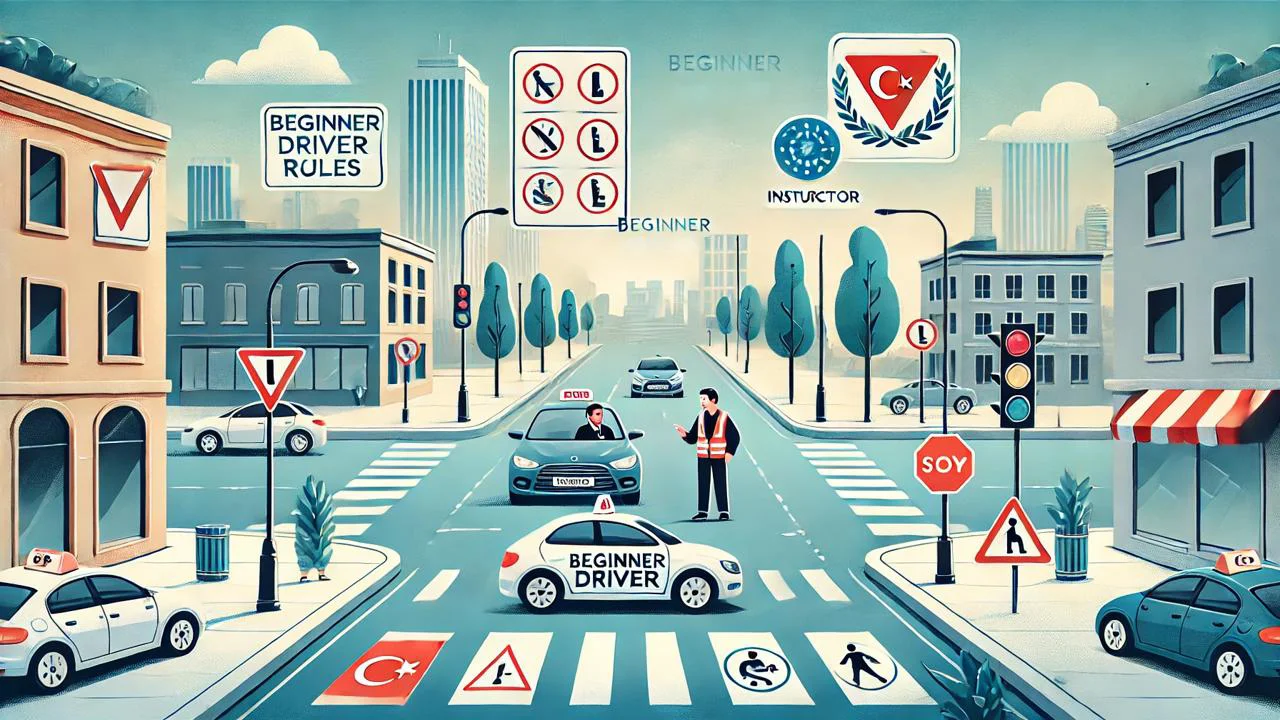
Intercity travel involves long distances and varying road conditions, which can present risks for drivers. To ensure the safety of both drivers and passengers, it is essential to follow traffic and road safety rules. This guide provides key tips for a safe and comfortable intercity journey.
1. Pre-Trip Preparation
-
Vehicle check: Inspect brakes, tires, lights, and oil levels before the trip.
-
Check road and weather conditions: Be informed about weather and roadworks along your route.
-
Plan alternatives: Identify alternative routes and rest stops.
2. Speed and Following Distance
-
Follow speed limits: Adhere to speed regulations on highways and intercity roads.
-
Maintain a safe following distance: Reduces risk in sudden stops or unexpected situations.
-
Adjust speed to road and weather conditions: Slow down during rain, snow, or fog.
3. Attention and Concentration
-
Avoid phone and distractions: Distracted driving can lead to serious accidents.
-
Manage fatigue: Take regular breaks on long trips and avoid driving sleep-deprived.
-
Driver rotation: Change drivers on long journeys if possible to reduce fatigue.
4. Seat Belts and Passenger Safety
-
Ensure every passenger wears a seat belt.
-
Use appropriate child seats for children.
-
Secure all items inside the vehicle.
5. Lights and Signals
-
Keep headlights on during nighttime and poor weather conditions.
-
Always use turn signals when changing lanes or turning.
6. Emergency Preparedness
-
Carry a first aid kit and warning triangle.
-
Have emergency numbers and roadside assistance ready on your phone.
-
In case of a flat tire or mechanical failure, choose a safe location.
Conclusion
Safety in intercity travel begins with preparation and attention. Vehicle maintenance, speed control, following distance, seat belt use, and careful driving are fundamental to preventing accidents. Applying the tips in this guide will help ensure a safe and comfortable journey for both you and your passengers.