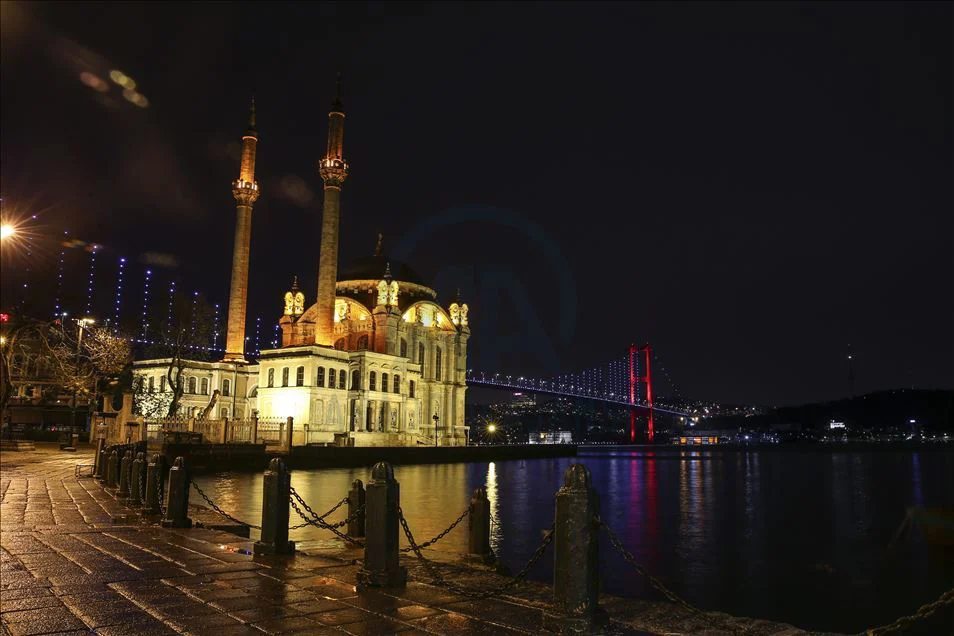
The Spiritual Depth of Ramadan and Eid al-Adha: Traditions and Modern Interpretations

Celebrated with great enthusiasm and respect in Turkey and the Islamic world, Ramadan and Eid al-Adha are not merely times for religious observance but also special periods where social solidarity, family bonds, and spiritual purification come to the forefront. In this article, we will explore the spiritual depth of these two major religious holidays by examining both traditional practices and contemporary interpretations.
Ramadan Eid: From Fasting to Sharing
Meaning and Origins
Eid al-Fitr, following the fasting month of Ramadan, marks a time of joy and celebration. Muslims focus on self-discipline, patience, and spirituality during Ramadan. Eid is the culmination of this purification process.
Traditional Practices
-
The day begins with the Eid prayer.
-
Elders are greeted with respect.
-
Children receive pocket money and sweets, symbolizing the festive spirit.
-
Visiting neighbors and relatives strengthens social ties.
-
Helping the needy is a fundamental spiritual duty.
Modern Interpretations
Today, Eid al-Fitr has become a social ritual as well as a religious one. Celebrations on social media are widespread, and digital cards have replaced traditional postcards. However, these new forms continue to convey the essence of "sharing" in different ways.
Eid al-Adha: From Submission to Sharing
Meaning and Origins
Eid al-Adha symbolizes Prophet Ibrahim's deep submission to Allah. When he intended to sacrifice his son, Allah sent a ram in his place. This act of obedience is commemorated through the ritual of sacrifice.
Traditional Practices
-
The day begins with the Eid prayer.
-
Sacrifice is performed according to Islamic guidelines.
-
The meat is divided into three parts: one for the household, one for relatives, and one for the needy.
-
Social solidarity and mutual aid are emphasized.
Modern Interpretations
With increasing urbanization and digitalization, individuals often perform the sacrifice through charitable organizations. This practice offers a practical and spiritual solution, especially for those in large cities where facilities for slaughter are limited.
Spiritual Depth: More Than Rituals
Both Eids are not just times for specific rituals but are periods where spirituality is reflected in daily life. Eid al-Fitr is a time for sharing, while Eid al-Adha is a practice of submission and charity. Together, they purify the individual's inner world and strengthen societal unity.
Conclusion
Ramadan and Eid al-Adha represent not only religious obligations but also human values, social solidarity, and cultural continuity. By adhering to traditional roots while adapting to the modern world, these holidays continue to nurture spirituality today.