The Most Common Mistakes Made When Driving on Snow and Ice
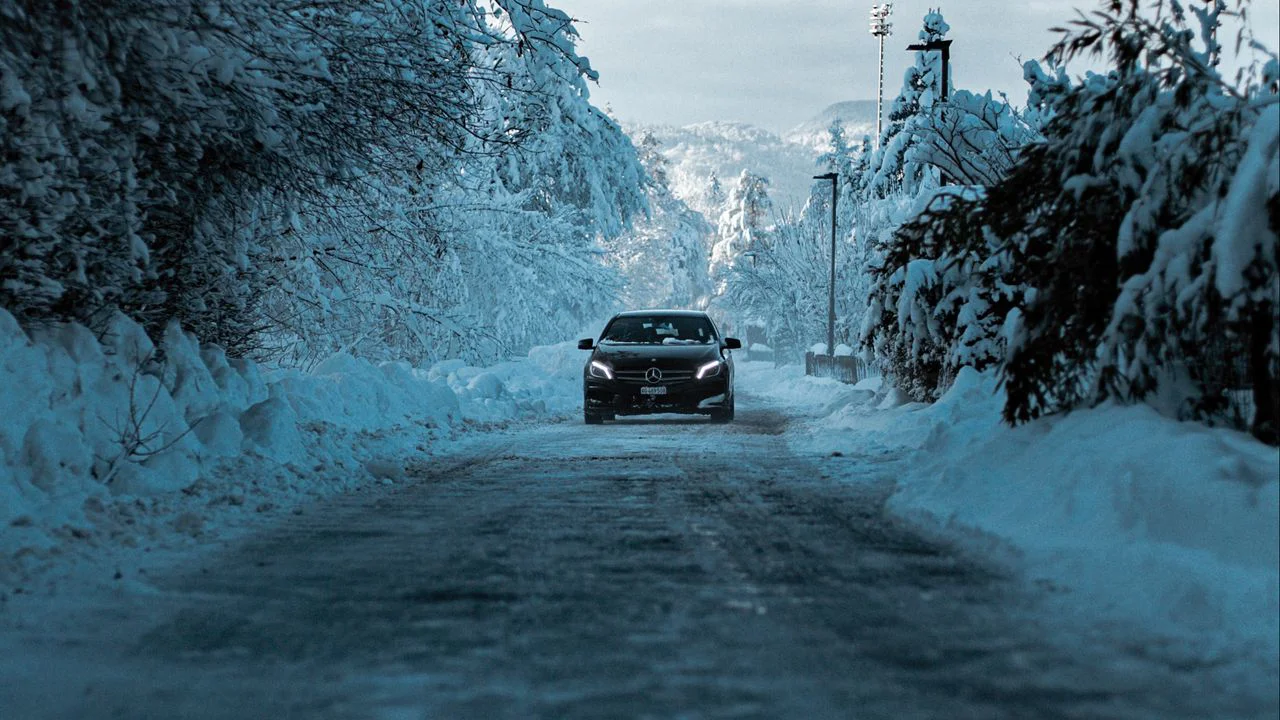
During winter months, roads covered with snow and ice pose serious risks to driving safety. A significant portion of traffic accidents occurring under these conditions are caused by driver errors. From a corporate responsibility perspective, being aware of these mistakes and adopting correct driving habits is of great importance in protecting both individual safety and overall traffic order.
Below are the most common mistakes made when driving on snow and ice, along with the correct approaches to avoid them.
1. Not Using Winter Tires or Choosing the Wrong Tires
One of the most fundamental safety elements in winter conditions is using the correct tires. Summer tires or worn winter tires cannot provide sufficient road grip on snowy and icy surfaces. This significantly increases the risk of losing vehicle control.
2. Focusing on Speed Limits While Ignoring Road Conditions
On snowy and icy roads, actual road conditions should take precedence over legal speed limits. Driving at an inappropriate speed increases the need for sudden braking and leads to skidding.
3. Maintaining Insufficient Following Distance
Braking distances increase considerably on icy surfaces. Despite this, many drivers continue to maintain the same following distance used in normal weather conditions, making this one of the main causes of chain-reaction accidents.
4. Sudden Braking and Sharp Steering Movements
Sudden braking or aggressive steering on snow and ice can disrupt vehicle balance and cause skidding. Braking and steering must always be smooth and controlled.
5. Driving Without Properly Warming Up the Vehicle
Driving before the engine, windows, and tires reach optimal operating temperature is risky in cold weather. Fogged or icy windows significantly reduce visibility.
6. Not Carrying Snow Chains and Emergency Equipment
Especially in regions with heavy snowfall, the absence of snow chains, towing ropes, reflective warning triangles, and first aid kits can lead to serious problems in emergency situations.
7. Underestimating the Risk of Icing on Slopes and Bridges
Bridges, viaducts, and slopes are areas where icing occurs most frequently. Failing to reduce speed in these areas makes vehicle control more difficult.
8. Using Incorrect Braking Techniques
A common mistake in vehicles equipped with ABS is pumping the brake pedal. In ABS-equipped vehicles, the brake pedal should be pressed firmly and steadily, whereas in vehicles without ABS, controlled pumping is required.
9. Driving with Excessive Confidence
Overconfidence in one’s driving experience or vehicle technology can lead to risky driving behavior. Winter conditions always require caution and foresight.
10. Setting Off Without Checking Weather and Road Conditions
Traveling without considering meteorological warnings and road conditions brings unexpected risks. When necessary, postponing the trip may be the safest decision.
Conclusion
Driving on snow and ice requires heightened attention and awareness. Even small mistakes can lead to serious consequences. With proper equipment, correct driving techniques, and preventive measures, these risks can be significantly reduced. It should be remembered that safe driving is a shared responsibility of all road users.