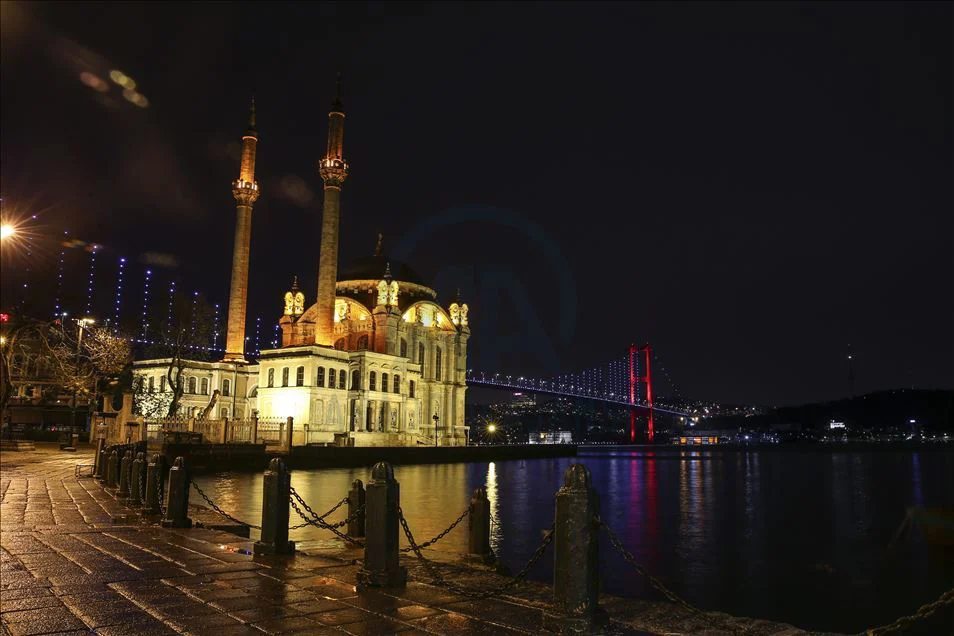
The Importance of Ramadan and Its Place in Islam: A Detailed Explanation
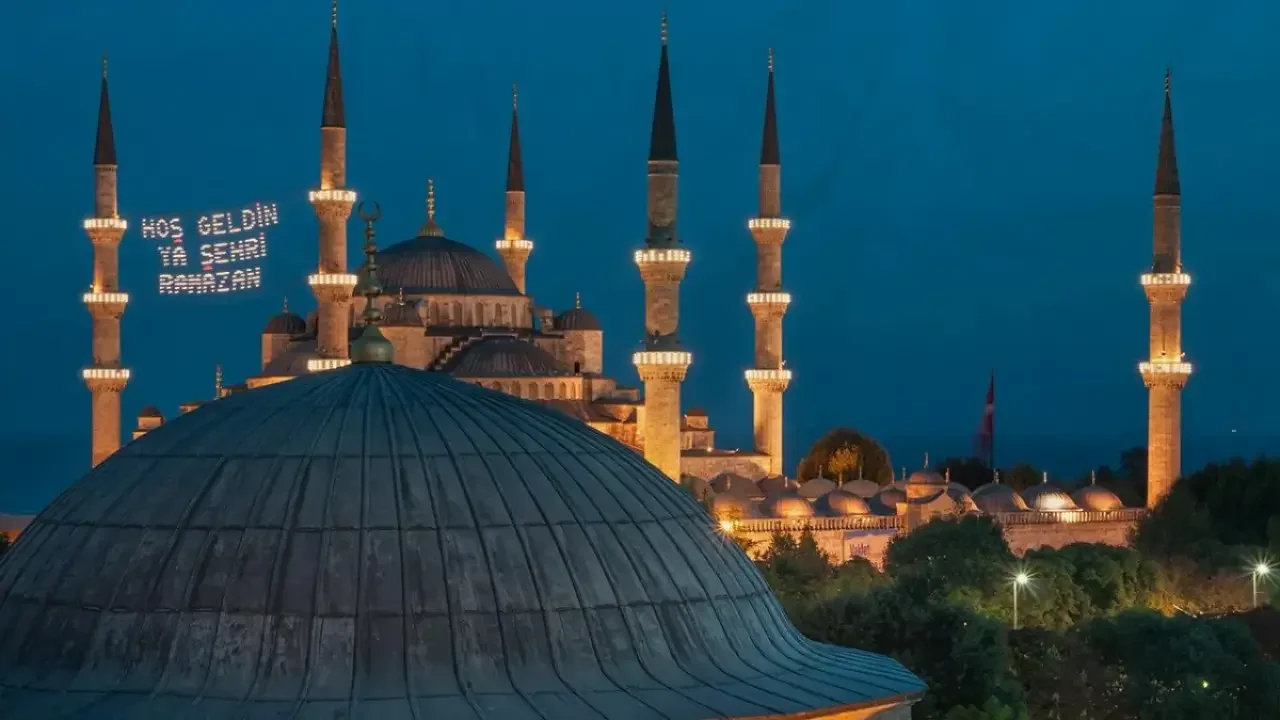
In this article, we explore the importance of Ramadan, its place in Islam, its connection with the Qur’an, and the spiritual meaning it holds for Muslims.
What Is Ramadan?
Ramadan is the ninth month of the Islamic (Hijri) calendar. The act of fasting, which is obligatory in Islam, is observed during this month. Fasting means refraining from eating, drinking, and certain behaviors from dawn (Fajr) until sunset (Maghrib).
However, Ramadan is not merely about physical hunger. Its true purpose is to discipline the soul, cultivate patience, and strengthen one’s relationship with Allah. In this sense, Ramadan is a unique opportunity for spiritual renewal.
The Place of Ramadan in Islam
Ramadan is directly connected to one of the Five Pillars of Islam: fasting. The Five Pillars include the declaration of faith (Shahada), prayer (Salah), fasting (Sawm), charity (Zakat), and pilgrimage (Hajj). Fasting is obligatory specifically during the month of Ramadan.
The importance of Ramadan is clearly mentioned in the Qur’an. In Surah Al-Baqarah, it is stated that the Qur’an was revealed during this month. For this reason, Ramadan is also known as the “Month of the Qur’an.”
Ramadan is not only a time for increased personal worship but also a period of strengthened social solidarity. Acts of charity, including zakat and fitrah (charitable donations given at the end of Ramadan), become more prominent during this time.
The Connection Between Ramadan and the Qur’an
One of the most significant aspects of Ramadan is that the revelation of the Qur’an began during this month. Laylat al-Qadr (the Night of Decree), described as “better than a thousand months,” also occurs in Ramadan.
For this reason, Muslims during Ramadan:
-
Increase their recitation of the Qur’an
-
Strive to complete a full reading (khatm)
-
Engage more deeply with religious knowledge and reflection
Ramadan is a month dedicated to strengthening one’s connection with the Qur’an and refreshing spiritual understanding.
The Spiritual Dimension of Fasting
Fasting is not only about abstaining from food and drink. It also involves:
-
Avoiding harmful speech
-
Controlling anger
-
Practicing patience
-
Developing empathy
A person who fasts learns self-control throughout the day. Experiencing hunger and thirst helps foster compassion toward those in need. In this way, Ramadan strengthens both individual awareness and social responsibility.
Acts of Worship During Ramadan
Worship practices increase significantly during Ramadan. These include:
-
Performing the five daily prayers more diligently
-
Praying Tarawih (special nightly prayers during Ramadan)
-
Reciting the Qur’an
-
Giving zakat and fitrah
-
Engaging in acts of charity and generosity
Tarawih prayers, in particular, are unique to Ramadan and are often performed in congregation, reinforcing a sense of unity and community.
The Social Importance of Ramadan
Ramadan is not solely a period of individual worship; it is also a time of enhanced social connection. Iftar gatherings, family visits, and charitable initiatives create a strong sense of togetherness within society.
Support for those in need increases, and the culture of sharing becomes more visible. In this way, Ramadan promotes social justice, empathy, and collective responsibility.
The Psychological and Spiritual Effects of Ramadan
During Ramadan, many people step back from the intensity of daily life and turn inward. Increased prayer, supplication, and reflection contribute positively to emotional and spiritual balance.
For many, Ramadan represents:
-
A fresh start
-
An opportunity to leave behind harmful habits
-
A period of spiritual purification
It is a time to reset priorities and strengthen faith.
Conclusion
The importance of Ramadan extends far beyond fasting alone. It is the month in which the Qur’an was revealed, worship intensifies, generosity increases, and spiritual awareness deepens.
With its profound place in Islam, Ramadan offers Muslims an opportunity for both personal growth and social renewal. Patience, gratitude, generosity, and devotion are experienced more deeply during this sacred month. For this reason, Ramadan is a cherished and eagerly awaited time each year.