Summary of Traffic Rules for Visitors to Türkiye
Türkiye is a country admired for its cultural richness, historical heritage, and diverse geography. For visitors who plan to explore the country by car, understanding local traffic rules is essential for a safe and smooth travel experience. Following these rules not only ensures your safety but also helps you avoid fines and unexpected issues on the road.
1. Driving Style and Road Habits
Traffic in Türkiye, especially in major cities, can be intense during peak hours. Drivers should remain attentive, avoid sudden lane changes, and be cautious around pedestrian crossings and school zones.
The standard rule is to drive on the right side of the road and overtake from the left. Violating this rule can disrupt traffic flow and result in penalties.
2. Speed Limits
Speed limits vary depending on the type of road:
-
Urban roads: generally 50 km/h
-
Intercity roads: 90 km/h
-
Divided highways: 110 km/h
-
Motorways: 120 km/h
Exceeding speed limits may lead to significant fines, and speed cameras are commonly used, especially on major routes.
3. Seat Belts and Safety Measures
Wearing seat belts is mandatory for both drivers and passengers. Children must use age-appropriate car seats.
Türkiye has strict regulations regarding alcohol and driving. The legal blood alcohol limit is low, and exceeding it results in severe penalties. Therefore, visitors should avoid driving after consuming alcohol.
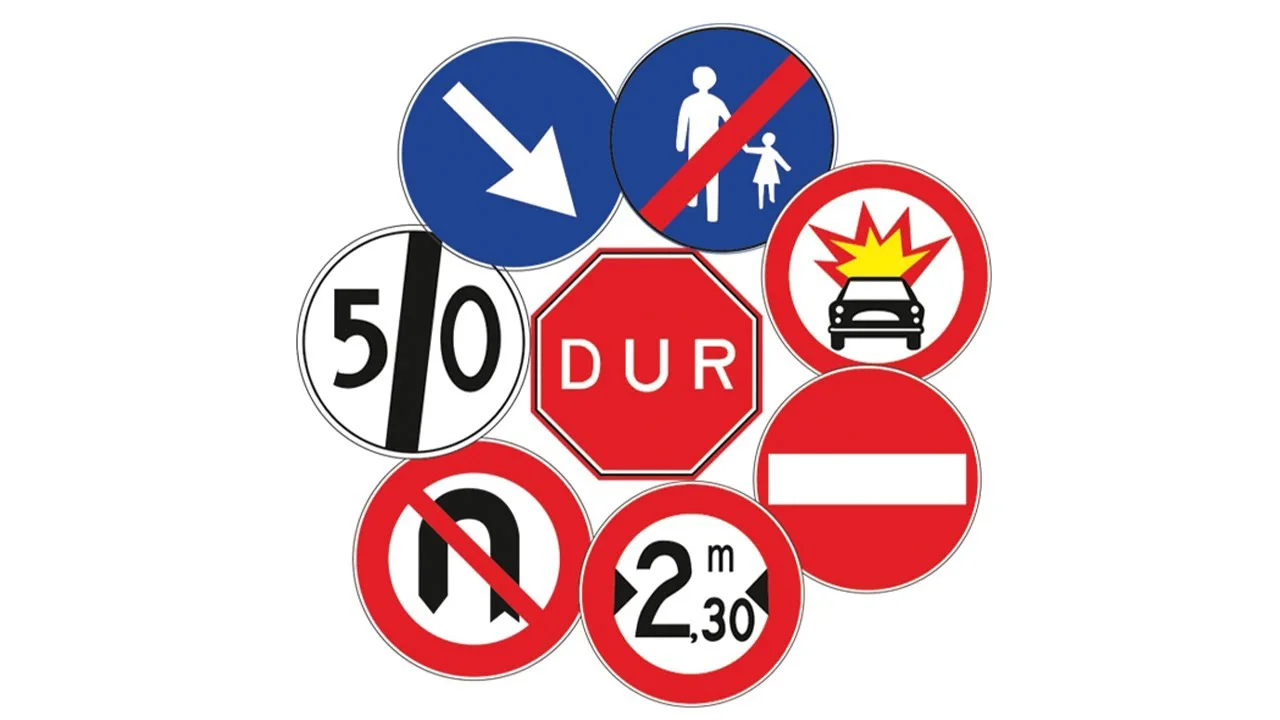
4. Traffic Signs and Road Rules
Traffic signs in Türkiye are similar to international standards, but roadwork or temporary changes may cause confusion.
Key rules include:
-
Stopping at red lights is mandatory.
-
Pedestrians always have priority at marked crossings.
-
Using turn signals when changing lanes or turning is required.
Roundabouts and T-junctions may operate differently than expected, so extra attention is advised.
5. Parking and Stopping Rules
Parking regulations may differ by city:
-
Red-marked areas: no stopping or parking.
-
Yellow-marked areas: short-term stopping may be allowed.
-
Disabled parking spaces: only for vehicles with proper authorization.
Unauthorized parking can lead to fines or towing.
6. Traffic Fines and Legal Measures
Violating traffic rules—such as speeding, ignoring red lights, or illegal parking—can lead to financial penalties. Foreign drivers may be asked to pay fines immediately or through the vehicle rental provider.
7. Emergency Situations and Assistance
In case of any emergency, the number 112 can be dialed for immediate assistance. On intercity roads, emergency phones or call buttons can also be used.
8. Traffic Culture in Türkiye
Traffic can feel challenging for newcomers, but with patience and attention, drivers can adapt quickly. Observing local driving behavior and avoiding sudden maneuvers contributes greatly to safety.
Conclusion
Driving in Türkiye can be a pleasant and safe experience when local traffic rules are followed. Respecting speed limits, wearing seat belts, paying attention to signs, and following parking regulations ensure both safety and a trouble-free journey. Visitors who follow these guidelines will enjoy exploring the country comfortably and safely.