Modern vs. Traditional Turkish Weddings: Differences and Similarities
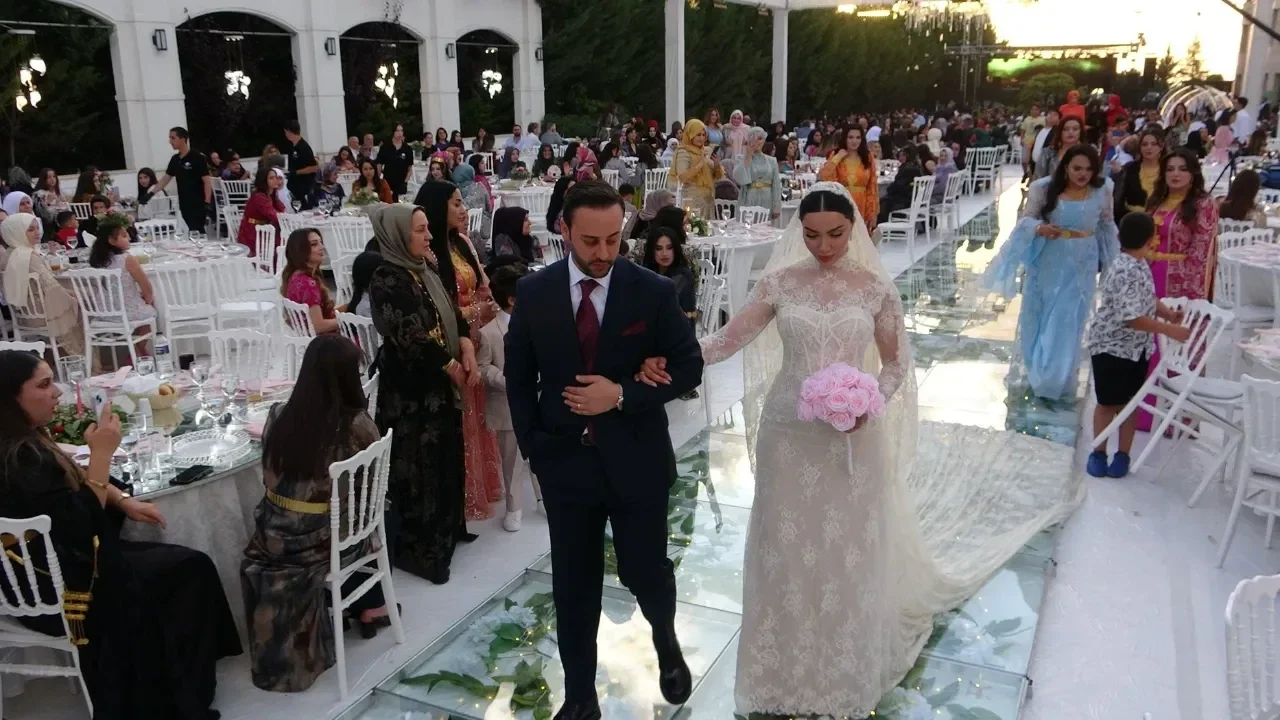
1. Pre-Wedding Rituals: Henna Night and Preparations
In traditional weddings:
-
Henna Night is held one or a few days before the wedding, bringing the bride together with close friends and family.
-
Henna application, folk songs, halay dancing, and emotional farewells are integral parts of the tradition.
In modern weddings:
-
Henna Night is still celebrated, but some couples prefer smaller, themed parties.
-
Certain traditional rituals may be skipped or combined with modern entertainment.
Similarity:
-
In both traditional and modern weddings, Henna Night remains an important moment of preparation and farewell for the bride.
2. Bride Pickup and Wedding Procession
Traditional weddings:
-
The bride is taken from her home to the groom’s home or wedding venue.
-
The procession often includes drums, zurna music, and large convoys, with public celebration.
-
This ritual emphasizes family ties and community support.
Modern weddings:
-
The bride pickup is usually smaller and more organized.
-
Music and entertainment may be provided by modern bands or DJs.
Similarity:
-
The theme of the bride stepping into her new life and family union is present in both types of weddings.
3. Jewelry Ceremony and Gifts
Traditional weddings:
-
Guests give the bride and groom gold or money.
-
The ceremony symbolizes financial and emotional support.
Modern weddings:
-
The jewelry ceremony still occurs but may be limited to close family.
-
Gifts can also be personal items or memorable keepsakes instead of money.
Similarity:
-
Both types of weddings convey blessings and good wishes for the couple’s life together.
4. Wedding Venue and Organization
Traditional weddings:
-
Often held in homes or village squares.
-
Decorations and meals are regional and traditional.
Modern weddings:
-
Hotels, restaurants, and dedicated wedding venues are preferred.
-
Decorations are themed, modern, and professionally organized.
Similarity:
-
In both, hosting guests and sharing the celebration are central.
5. Food Culture and Sharing
Traditional weddings:
-
Regional dishes and sweets are featured.
-
Meals symbolize family unity and sharing.
Modern weddings:
-
International or contemporary menus may be offered.
-
Professional catering ensures smooth service.
Similarity:
-
Meals remain a central aspect of social interaction and celebration.
6. Entertainment and Dance
Traditional weddings:
-
Halay, zeybek, and other folk dances are performed.
-
Drums and zurna music dominate the entertainment.
Modern weddings:
-
First dance, DJs, and modern music are highlighted.
-
Some couples combine traditional dances with modern entertainment.
Similarity:
-
Music and dance are essential parts of celebration in both types of weddings.
7. Regional and Cultural Differences
-
Black Sea region weddings: Horon dance, kemenche music, and traditional attire.
-
Southeastern region weddings: Large convoys, drums, and regional cuisine.
-
Aegean region weddings: Halay and zeybek folk dances.
Both modern and traditional weddings may preserve or adapt these regional cultural elements.
Conclusion: Balancing Tradition and Modernity
Turkish weddings blend traditional rituals with modern influences. From Henna Night to the jewelry ceremony, from the bride pickup to the first dance, every ritual carries special meaning for the couple and their families. Modern weddings may be more organized and professional, but the spirit of tradition is still maintained. This balance makes Turkish weddings both culturally rich and entertaining.