Iftar Table Traditions and Hospitality Culture in Turkey
Iftar Table: A Symbol of Unity and Sharing
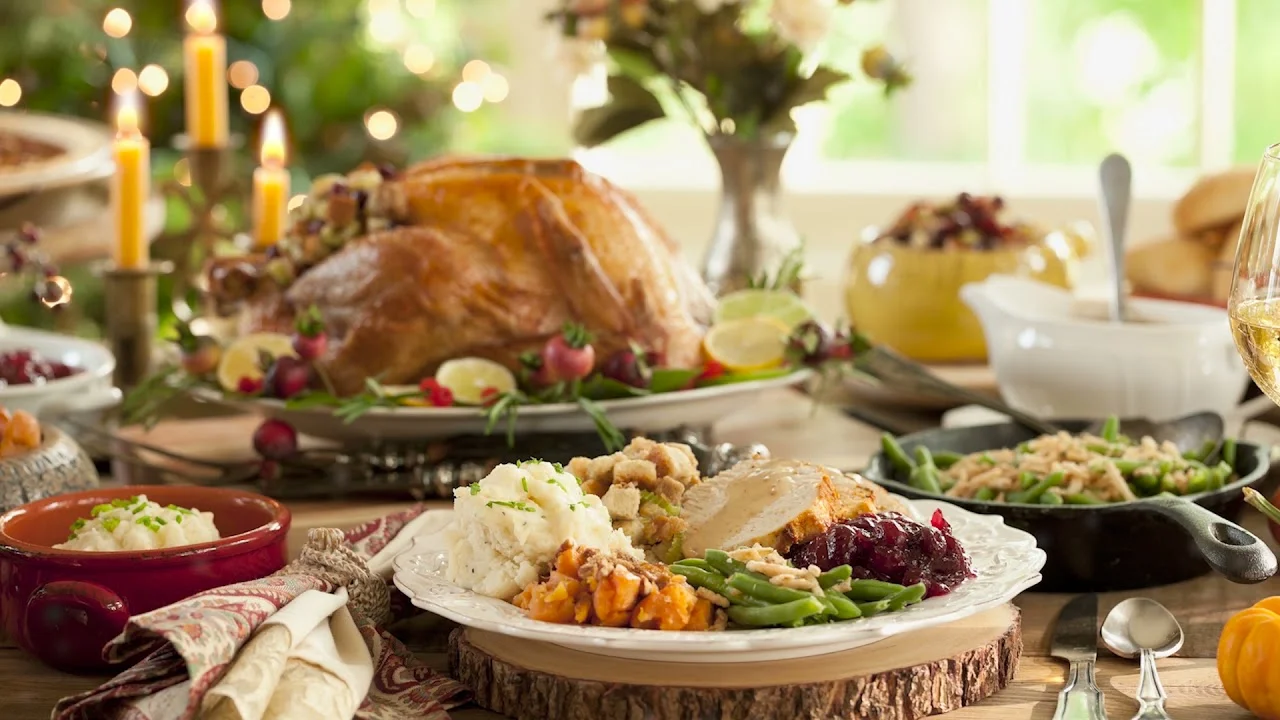
Iftar tables in Turkey are an important part of the Ramadan tradition. These tables are not only prepared to nourish the body but also to strengthen societal bonds. As iftar time approaches, family members and guests gather around the table. Iftar provides an opportunity for different segments of society to come together, and the tables are filled with a rich variety of flavors. During Ramadan, it is common to host iftar dinners for guests and the less fortunate.
Main Dishes at the Iftar Table
Iftar tables feature a variety of dishes and desserts. The meals are usually rich and nourishing. The meal typically begins with dates and water, followed by soup, olive oil-based vegetable dishes, pastries, and meat dishes. Some of the most popular dishes in Turkey include "İskender" and "Kısır," which add deliciousness to the iftar spread. For dessert, "güllaç" and "baklava" are the most commonly preferred options.
Hospitality Culture: Sharing the Table
In Turkey, iftar tables reflect the care and attention given to guests. Hosts do their best to serve the best food to their visitors. Hospitality is one of the core values of Turkish culture, and it is beautifully expressed at iftar tables. Guests are treated to the finest dishes, and they are typically offered desserts, beverages, and fruits.
Communication and Togetherness at the Iftar Table
At iftar tables in Turkey, not only food but also conversation and communication are highly valued. During iftar, family members and friends come together, chat, and share the meaning of Ramadan. This sense of togetherness around the table allows people to form closer relationships and enjoy the time together more deeply.
Religious and Cultural Rituals at the Iftar Table
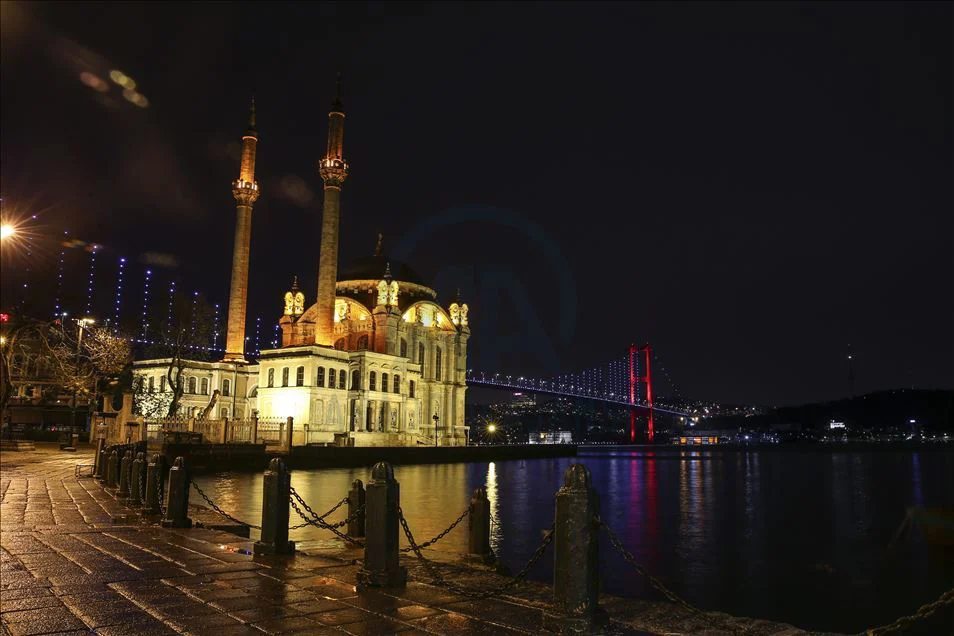
The religious rituals performed at iftar tables hold significant cultural meaning. The meal is traditionally opened with a prayer, which has become a spiritual ritual during Ramadan. Throughout the month of Ramadan, iftar tables can be found in homes, mosques, or in public events that reach wider audiences. As iftar time approaches, the tables are prepared, and prayers are said with the call of the adhan (azan).
Sharing the Iftar Table: Social Solidarity
Iftar tables in Turkey are also a symbol of social solidarity. Particularly during Ramadan, various associations and foundations distribute iftar meals to the poor and those in need. This practice is an important part of community helping and solidarity, which is a common tradition in Turkish culture.
Conclusion: The Importance of the Iftar Table in Turkey
Iftar tables in Turkey are not only places where we eat but are also significant cultural rituals, expressions of hospitality, and symbols of social solidarity. These tables create an environment where families, friends, and communities unite, reinforcing feelings of love and mutual support. Throughout Ramadan, these traditions at iftar tables continue to be one of the most cherished elements of Turkish culture.