How Should Braking and Steering Be Controlled on Icy Roads?
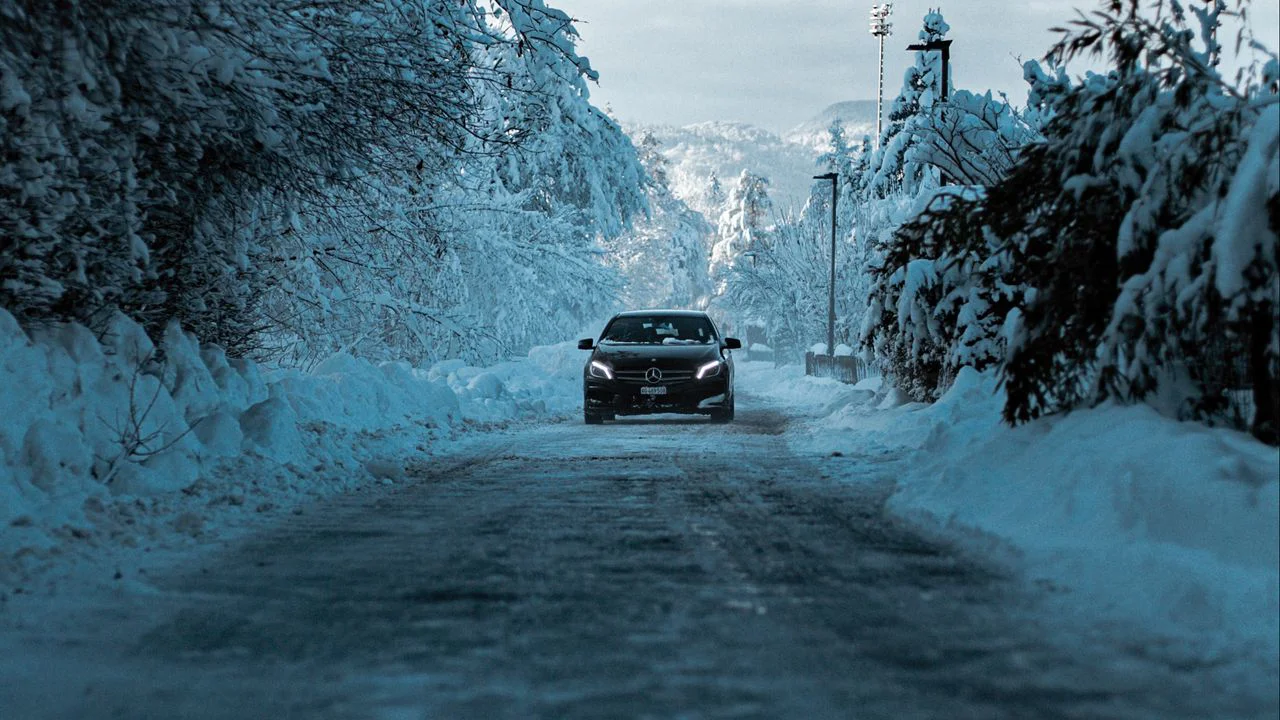
Icy roads are among the highest-risk driving conditions for road safety. Sudden braking and improper steering can easily lead to loss of vehicle control and serious accidents. Therefore, correct braking and steering on icy surfaces are fundamental elements of winter driving safety.
This article addresses how braking and steering should be controlled on icy roads from a corporate and professional perspective.
Why Driving on Icy Roads Is More Dangerous
On icy surfaces, friction between the tires and the road drops to a minimum. This significantly limits the vehicle’s ability to accelerate, decelerate, and change direction. Bridges, overpasses, shaded roads, and early morning hours are the areas most commonly affected by ice.
Proper Braking on Icy Roads
1. Avoid Sudden Braking
Sudden braking on ice can lock the wheels and cause the vehicle to skid. Braking should always be smooth and controlled.
2. Correct Use of ABS
In vehicles equipped with ABS (Anti-lock Braking System), press the brake pedal firmly and continuously. Pedal vibration is normal; releasing the brake is incorrect.
3. Pumping Brake Technique in Non-ABS Vehicles
For vehicles without ABS, apply the brakes intermittently using short presses. This prevents the wheels from locking.
4. Use Engine Braking
Downshifting and using engine braking provides more controlled and safe deceleration on icy roads.
Proper Steering on Icy Roads
1. Keep Steering Movements Smooth
Sudden or sharp steering can cause the vehicle to skid. Steering should be small, smooth, and controlled.
2. Enter Turns Slowly
Reduce speed before entering turns and avoid sudden maneuvers while turning.
3. Stay Calm During a Skid
Panicking during a skid worsens the situation. Steering gently in the direction you want the vehicle’s front to go is the correct technique.
Common Mistakes in Braking and Steering
-
Sudden braking and sharp steering
-
Braking while in a turn
-
Incorrect use of ABS
-
Excessive speed and insufficient following distance
These mistakes increase the risk of accidents on icy roads.
Additional Recommendations for Safe Driving
-
Double the normal following distance
-
Adjust speed according to road and weather conditions
-
Always use winter tires and necessary equipment
-
Avoid sudden lane changes unless necessary
Conclusion
Braking and steering control on icy roads is one of the most critical aspects of driving safety. Knowing and applying proper techniques plays a vital role in preventing accidents. Remember, on icy roads, controlled, calm, and anticipatory driving is the key to a safe journey.