Gifts, Jewelry, and Special Traditions in Turkish Weddings
1. Wedding Jewelry: Symbols of Prosperity and Good Wishes
Jewelry plays an important role in Turkish weddings, symbolizing wealth and good fortune for the couple’s new life.
-
Gold Jewelry: Brides and grooms often receive bracelets, necklaces, and rings. These not only provide financial support but also carry spiritual meaning, representing luck and prosperity.
-
Regional Differences: In Southeastern and Eastern Anatolia, gold and cash gifts are especially significant. In Aegean and Marmara regions, modern jewelry designs are often preferred.
-
Jewelry Ceremony: During the wedding, jewelry is often presented in front of guests, highlighting family involvement and celebration.
Story: This tradition, dating back to the Ottoman era, symbolizes solidarity between families and community support.
2. Gifts: Strengthening Bonds Between Families and Guests
Gifts at weddings serve not only a material purpose but also strengthen social bonds between families and guests.
-
Types of Gifts: In addition to gold and cash, gifts may include dowry items, handmade crafts, and personalized presents.
-
Presentation of Gifts: In some regions, guests present their gifts during the jewelry ceremony, while in others, gifts are given throughout the wedding.
-
Meaning: Gifts convey good wishes and support for the couple’s new life.
3. Dowry Tradition: Preparing the Bride for Married Life
The dowry (çeyiz) includes items prepared by the bride’s family to help her start her married life.
-
Contents: Bedding, kitchenware, clothing, and valuable jewelry.
-
Symbolism: The dowry represents both the bride’s preparation for marriage and her family’s love and support.
-
Regional Practices: In some parts of Anatolia, dowry items are presented in a separate ceremony.
Story: The dowry tradition preserves cultural heritage and strengthens family bonds.
4. Henna Night and Jewelry
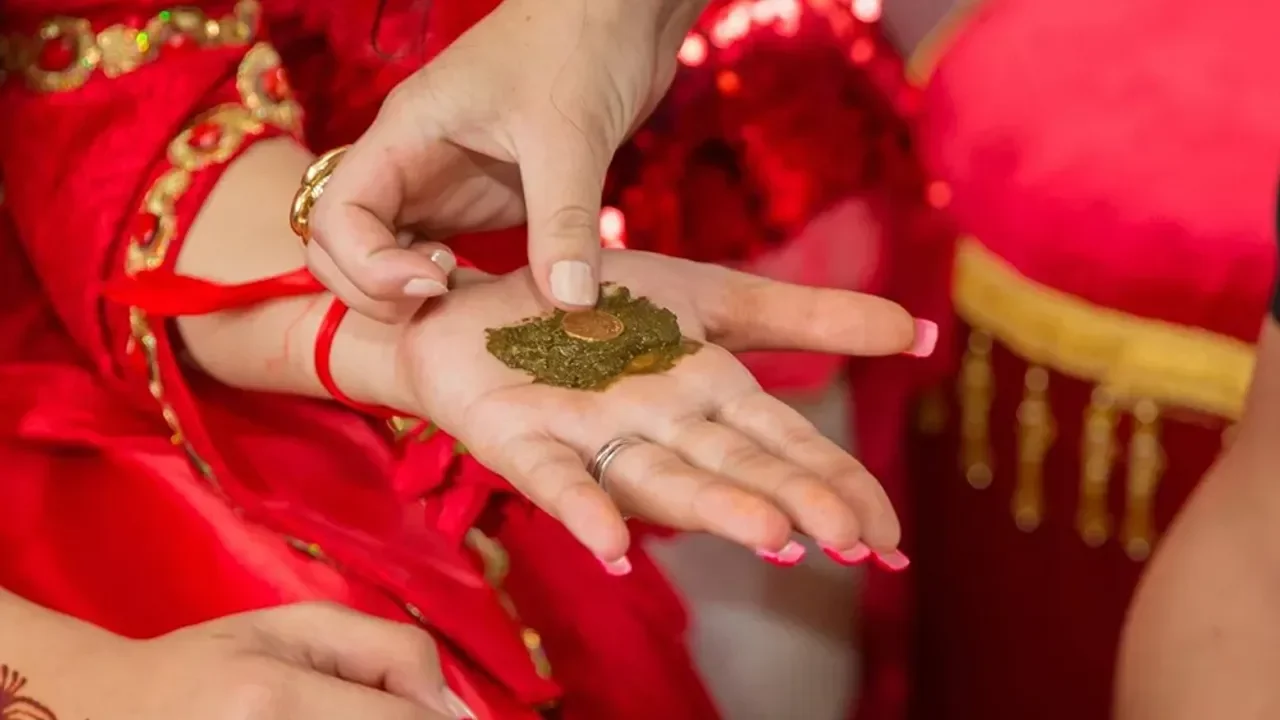
Henna night (Kına Gecesi), held before the wedding, is another special ritual where jewelry plays an important role.
-
Henna Jewelry: After the bride’s hands are adorned with henna, relatives and friends present her with gold or small jewelry.
-
Meaning: This ritual symbolizes the bride’s transition to her new life and provides her with social support.
5. Regional Differences
Gifts and jewelry traditions vary across Turkey:
-
Southeastern and Eastern Anatolia: Gold and cash gifts are highly significant; weddings often include large processions and communal celebrations.
-
Black Sea Region: Small jewelry and local gifts are common, with music and dance playing a major role.
-
Marmara and Aegean: Modern jewelry designs, personalized gifts, and professional wedding organization are emphasized.
6. Special Traditions and Their Meanings
-
Jewelry Ceremony: Guests presenting jewelry symbolizes abundance and prosperity for the couple’s new life.
-
Gift Presentation: Organized presentation of gifts emphasizes social order and the importance of celebration.
-
Family Involvement: Jewelry and gifts signify not only material support but also family, friends, and community backing.
7. Conclusion: Gifts, Jewelry, and Cultural Values
In Turkish weddings, gifts and jewelry are more than just material items. They are rituals that strengthen family bonds, symbolize community support, and preserve cultural heritage. From henna night to the wedding ceremony, these traditions create unforgettable memories for the couple and their families while showcasing the richness of Turkish culture.