
Fuel-Saving Driving Techniques and Common Mistakes
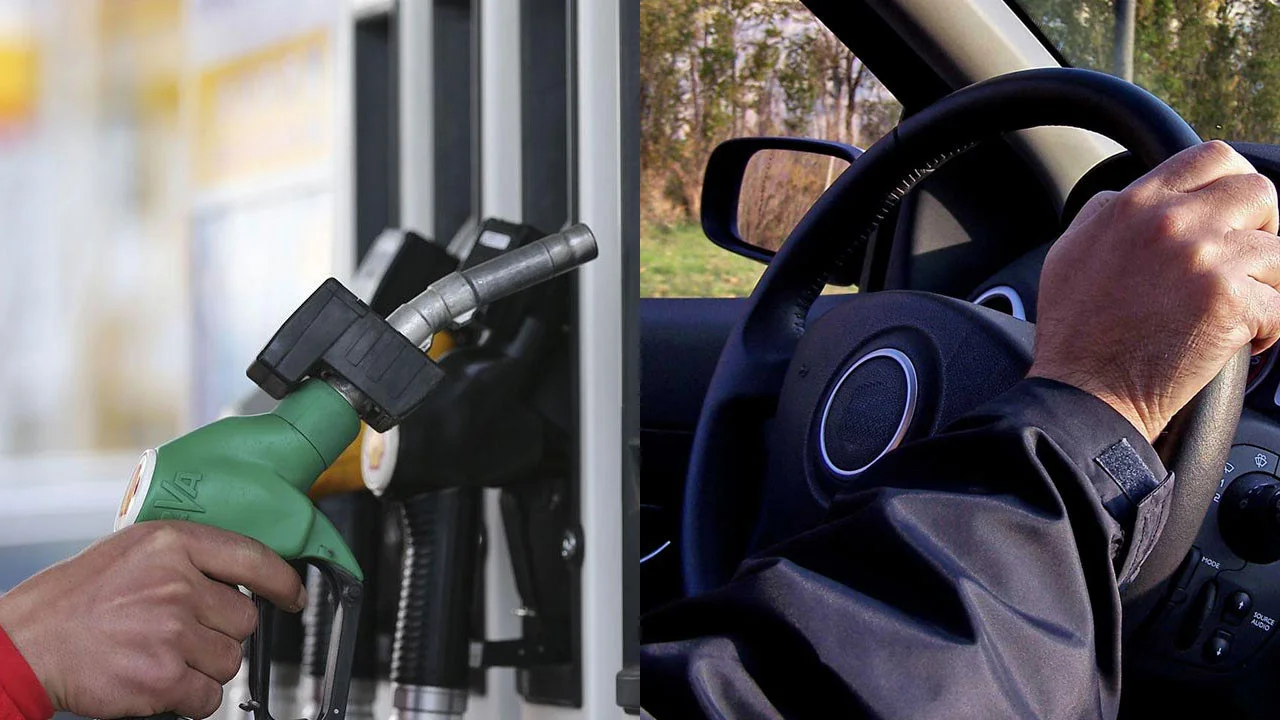
Today, fuel costs are an important indicator of sustainability and operational efficiency for both individual drivers and company fleets. Smart driving techniques not only reduce fuel consumption but also extend the life of your vehicle and lower your carbon footprint. However, many drivers unknowingly make mistakes that negatively affect fuel efficiency. In this article, we examine both driving habits that save fuel and common mistakes to avoid.
Fuel-Saving Driving Techniques
1. Smooth and Balanced Acceleration
Sudden acceleration causes the engine to consume more fuel. Driving at a steady speed, especially in city traffic, can result in significant savings.
-
Accelerate gradually.
-
Driving within speed limits reduces fuel consumption.
2. Keep Engine RPM Low
Engines consume more fuel at high RPMs. Especially in manual vehicles, shifting gears early increases fuel efficiency.
-
Shift gears in the 2,000–2,500 RPM range.
-
Avoid unnecessary high RPMs.
3. Drive Within Speed Limits and Maintain Steady Speed
Following speed limits on highways increases safety and reduces fuel consumption.
-
Driving between 90–120 km/h is ideal for fuel efficiency.
-
Using cruise control on long trips saves fuel.
4. Minimize Vehicle Load and Weight
Carrying unnecessary weight makes the engine work harder. Roof boxes and heavy cargo increase fuel consumption.
-
Carry only necessary items.
-
Avoid roof boxes and aerodynamic attachments when possible.
5. Maintain Correct Tire Pressure
Low tire pressure increases rolling resistance and fuel consumption.
-
Check tire pressure according to manufacturer recommendations.
-
Regular tire maintenance saves fuel and increases safety.
Common Fuel-Wasting Mistakes
-
Idling: Leaving the engine running for long periods wastes fuel.
-
Sudden Braking and Acceleration: Sudden movements in traffic reduce engine efficiency.
-
Incorrect Gear Usage: Driving in high RPMs or unnecessarily low gears increases fuel consumption.
-
Excessive Air Conditioning Use: Running the AC at high levels continuously noticeably increases fuel usage.
-
Irregular Maintenance: Dirty air filters, old spark plugs, and low oil reduce engine efficiency and increase fuel consumption.
Conclusion
Saving fuel not only protects your wallet but also demonstrates environmental awareness. Applying smart driving techniques and avoiding common mistakes can make a significant difference in daily life.
In the long term, these habits reduce vehicle maintenance costs and, if you manage a fleet, increase operational efficiency. Small changes can create major savings opportunities.