Eid al-Adha Traditions in Turkey: Everything You Need to Know

What Is Eid al-Adha?
Eid al-Adha is an Islamic holiday that symbolizes Prophet Ibrahim’s (Abraham’s) devotion and obedience to God. During this holiday, financially capable Muslims perform the ritual sacrifice (Qurbani), sharing part of the meat with those in need while fulfilling their religious duties.
In Turkey, Eid al-Adha is celebrated not only as a religious ritual but also as a social event that strengthens family bonds and emphasizes sharing and solidarity.
Preparations Before the Holiday
Preparations for Eid al-Adha usually begin days or even weeks before the holiday. These preparations create activity both at home and within the wider community.
House Cleaning and Holiday Clothing
Before the holiday, homes are thoroughly cleaned. New clothes are bought for family members, especially children. This practice symbolizes starting the holiday in a fresh and renewed environment.
Choosing the Sacrificial Animal
Those who plan to perform the sacrifice select healthy animals that meet age and condition requirements before the holiday. In Turkey, animal markets in major cities and rural areas serve as the centers for this process. Careful attention is given to the animals’ health and the purchasing process.
Traditions on the First Day of Eid
The first day of Eid al-Adha in Turkey is the most significant and busiest day, with the most important rituals taking place.
Eid Prayer
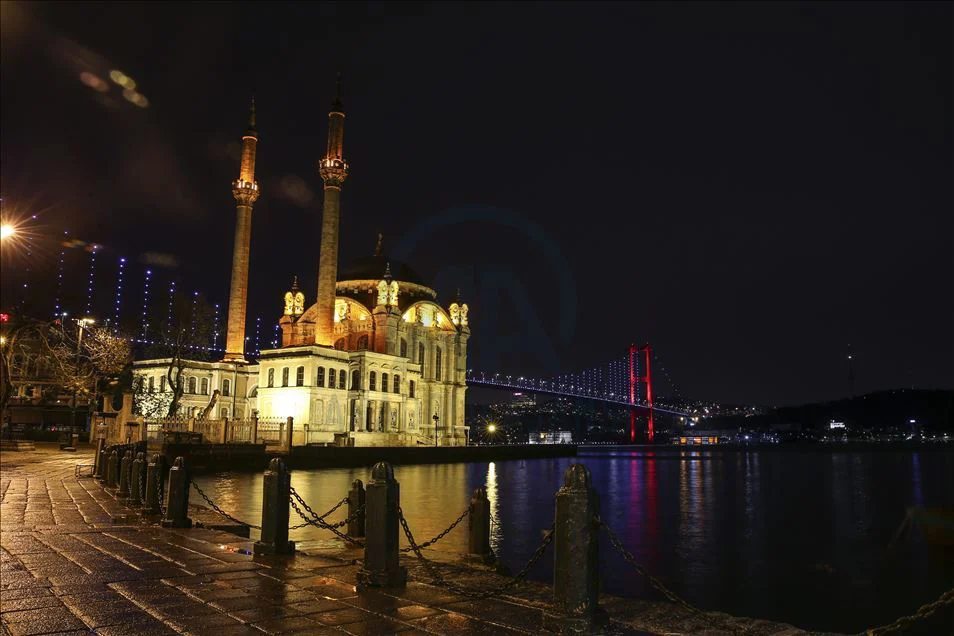
Early in the morning, people attend the Eid prayer at mosques. Performed in congregation, this prayer strengthens the sense of unity and community.
Sacrificial Ritual
After the prayer, the sacrificial animals are slaughtered. This is done in accordance with Islamic law, with strict attention to hygiene and proper procedures.
Sharing the Meat
Traditionally, the meat is divided into three parts:
- Given to those in need
- Shared with relatives and neighbors
- Kept for the household
This practice reflects one of the core values of the holiday: generosity and community support.
Family and Social Visits
Eid al-Adha is a time to strengthen family ties and social relationships.
Visiting Elders
Visiting the homes of elders is an important tradition. Children show respect by kissing the hands of elders and receiving their blessings.
Eid Greetings
Relatives, neighbors, and friends visit one another. During these visits, sweets, desserts, and traditional treats are offered, enhancing the sense of celebration.
Traditions for Children
Eid al-Adha is also a joyful time for children.
Holiday Allowance
It is a common tradition to give children money (Eidi), making the holiday more enjoyable and memorable for them.
Sweets and Treats
Children are offered sweets and chocolates in the homes they visit, adding to the festive atmosphere.
Traditional Dishes Made from Sacrificial Meat
Holiday meals are an essential part of Eid al-Adha celebrations. Popular dishes in Turkey include:
- Kavurma: Usually prepared on the first day, it is a classic holiday dish.
- Rice with meat (Pilaf) and kebabs: Serve meat in different flavors at the holiday table.
- Pastries and stuffed dishes: Commonly offered during visits to relatives and neighbors.
These dishes convey the holiday’s spirit of sharing and unity at the dining table.
Culture of Charity and Solidarity
One of the most important aspects of Eid al-Adha is helping those in need. In Turkey, assistance goes beyond distributing meat and includes both financial and moral support. Donations made through charitable organizations help extend the holiday’s spirit to a wider audience.
Eid al-Adha in Modern Times
Today, some traditions have evolved with technology. Online donations and digital greetings have become more common. However, in-person visits and traditional rituals still retain their importance.
Conclusion
Eid al-Adha in Turkey is not only a religious observance but also a period when cultural heritage is preserved and social bonds are strengthened. With values like sharing, compassion, and unity at its core, the holiday continues to be a cornerstone of society.
Maintaining these traditions and passing them on to future generations is one of the most important ways to preserve the true spirit of Eid al-Adha.