Eid al-Adha Customs and Traditions: Get to Know Our Cultural Values
Cultural and Religious Significance of Eid al-Adha
Eid al-Adha symbolizes the devotion and submission of Prophet Ibrahim (Abraham) to God. Prophet Ibrahim was willing to sacrifice his son to demonstrate his faith; however, God commanded him to offer a sacrificial animal instead. This story is remembered each year and celebrated alongside religious rituals during Eid al-Adha.
In Turkey, Eid al-Adha is also a period that emphasizes social solidarity and helping others. Family visits, neighborly relationships, and support for those in need form an important part of this cultural richness.
Preparations Before the Holiday
1. Preparing the Home
Homes are thoroughly cleaned and organized before the holiday. Cleaning ensures a hygienic environment and contributes to a peaceful start to the celebrations. Families often prepare new tablecloths, carpets, and decorative items in preparation for the holiday.
2. Holiday Clothing
Wearing new clothes during Eid is both a religious and cultural tradition. For children and young people, this preparation enhances the excitement and joy of the holiday.
3. Selecting the Sacrificial Animal
It is important that the sacrificial animal is healthy and meets religious requirements. The animal’s age, gender, and overall health are carefully checked. This ensures that religious duties are fulfilled and the animal’s welfare is maintained.
Customs and Traditions on the Day of Eid
1. Eid Prayer
The Eid prayer, performed on the morning of the holiday, strengthens community bonds. After the prayer, people greet one another, marking the start of the celebrations.
2. Sacrifice and Sharing the Meat
The sacrifice is carried out according to religious rules. The meat is usually divided into three portions:
- For those in need
- For relatives and neighbors
- For the household
This practice reinforces the spirit of generosity and social solidarity.
3. Visiting Guests
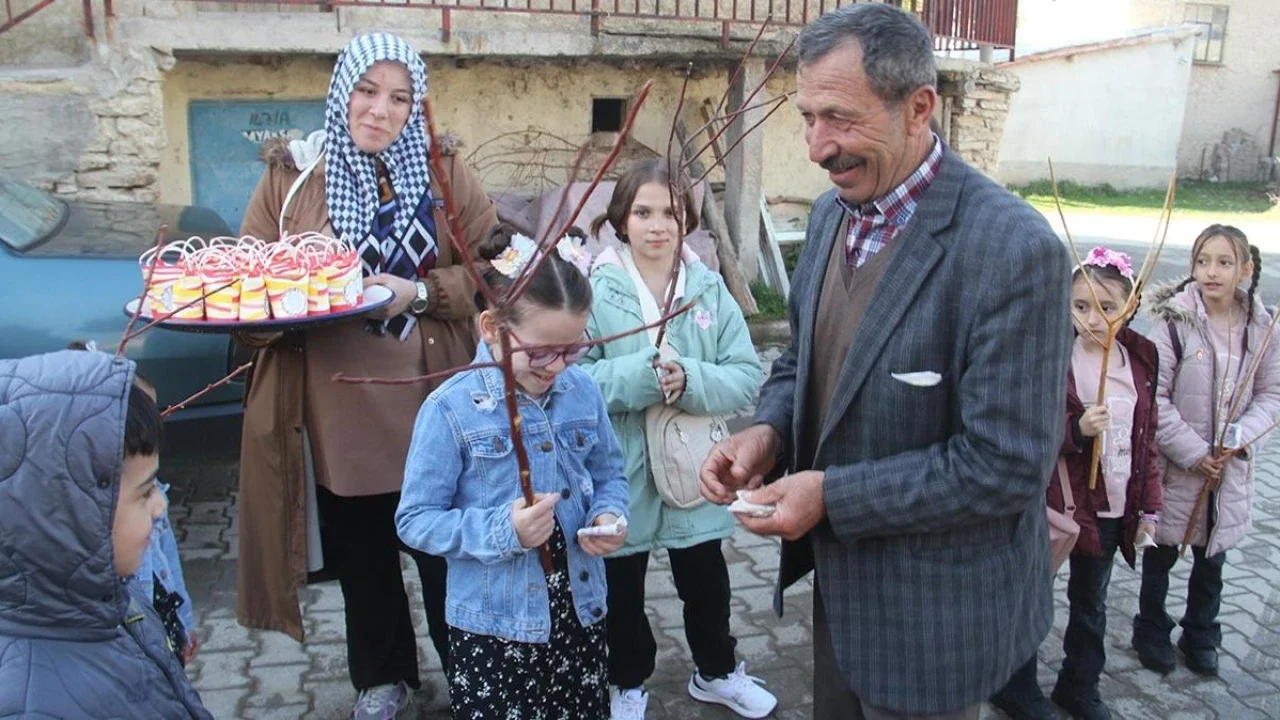
During the holiday, families and neighbors visit each other. Elders are shown respect, children receive holiday money, and sweets are offered. These visits strengthen family and community ties.
4. Exchanging Greetings
Exchanging Eid greetings is one of the most important rituals. People wish each other well, pray for health and happiness, and reinforce social bonds and solidarity.
Children and Eid Traditions
- Holiday Money: Giving children holiday money increases their joy and teaches the value of sharing.
- Sweets and Treats: Offering sweets and treats makes the holiday fun and memorable for children.
Eid Tables and Traditional Dishes
Eid tables reflect cultural heritage and the spirit of sharing. Popular dishes in Turkey include:
- Kavurma: A traditional meat dish prepared on the first day of Eid.
- Meat Pilaf and Kebabs: Various dishes made from sacrificial meat.
- Pastries and Stuffed Dishes: Served during family and neighbor visits.
The holiday table represents both family unity and hospitality.
Modern-Day Eid Customs
Today, some traditions have evolved due to technology. Online donations, digital greetings, and social media celebrations have become common. However, face-to-face visits, Eid prayer, and sacrificial practices still hold significant cultural importance.
Conclusion
Eid al-Adha in Turkey is celebrated as both a religious duty and a cultural heritage. Pre-holiday preparations, customs observed on the day, guest visits, and exchanging greetings strengthen family ties and social solidarity.
Preserving these traditions and passing them on to future generations is one of the most effective ways to maintain and celebrate our cultural values.