Discover Anatolian Cuisine by Car: Gastronomic Routes
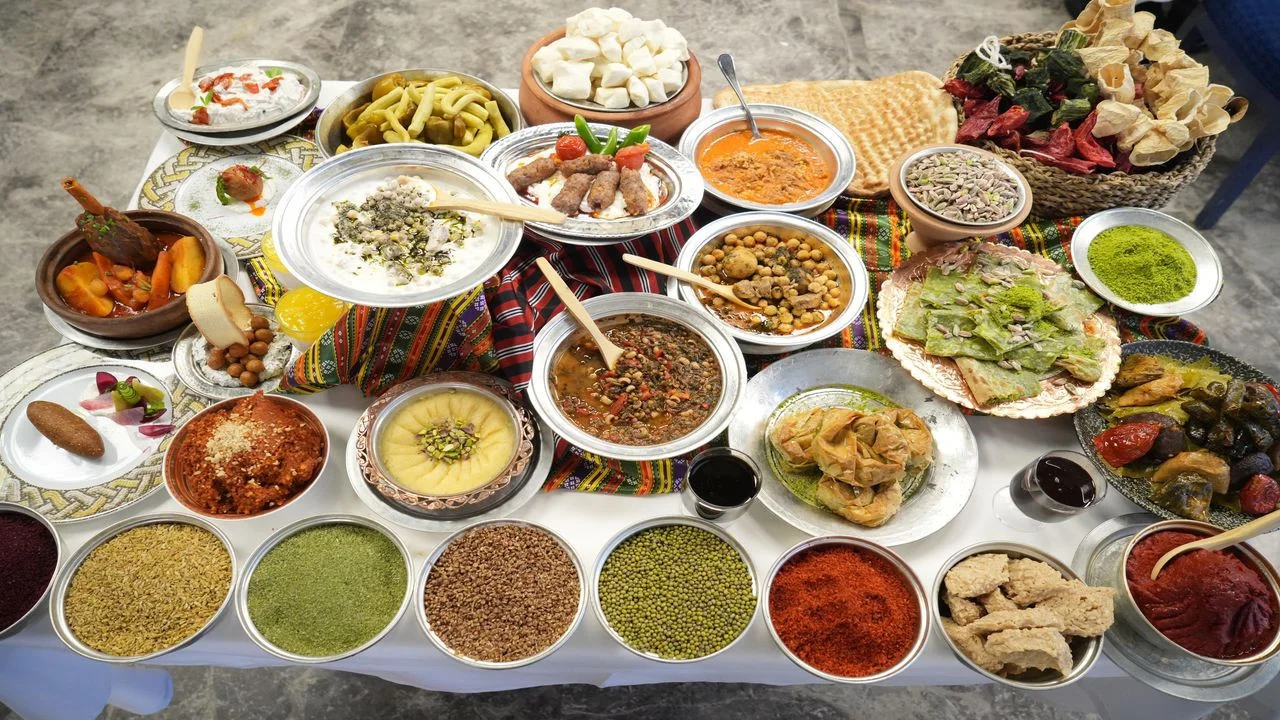
Anatolia has hosted countless civilizations over the centuries and carries a rich culinary heritage marked by each of them. The dishes prepared in these lands are not just for satisfying hunger; they serve as bridges to experience history, connect with nature, and bring people closer together. One of the most enjoyable ways to explore Anatolian cuisine is through a long and liberating road trip. Leaving the city’s rhythm behind, inhaling the scents of the countryside, chatting with locals, and tasting traditional dishes at their source makes this experience even more meaningful.
Below are routes where you can comfortably explore the unique flavors of Anatolia by car. These routes not only delight the taste buds but also allow you to experience the cultural heritage of the region up close.
1. Central Anatolia: The Grain Journey
Central Anatolia, with its vast steppes, harsh climate, and agriculture-based lifestyle, has a deeply rooted culinary tradition. Traveling by car through this region, you can particularly observe grain-based dishes.
-
Meat-stuffed flatbreads and tandır (clay oven) specialties showcase the region’s mastery in using wheat in every form.
-
Chickpea stews and keşkek (a traditional wheat and meat dish) are still prepared in large cauldrons in rural areas.
-
Visiting village markets, you encounter homemade noodles, bulgur, and dried vegetables, making the journey even more enjoyable.
This route is ideal for those who want to discover the fundamental pillars of Anatolian cuisine with its simple yet satisfying flavors.
2. Black Sea: From Greenery to the Table
Driving along the Black Sea, you can witness how the cuisine is intertwined with nature. The winding roads offer breathtaking scenery and open the door to a rich table culture.
-
Cornbread, stuffed collard greens, and wild greens dishes reflect the region’s botanical richness.
-
As you approach the coast, fish varieties become the stars of the table.
-
In mountain villages, cheese and butter remain traditional staples.
The Black Sea route offers both serenity and freshness with dishes inspired by the surrounding nature.
3. Southeastern Anatolia: Spices That Shape the Table
Southeastern Anatolia is one of the world’s remarkable culinary regions. Every bite here reflects history and geography. Traveling by car allows you to move quickly from one city’s flavor to another, opening doors to entirely different worlds.
-
The abundant use of spices gives this region its distinctive aroma.
-
Kofta (meatballs), pastries, freekeh wheat dishes, and local desserts are presented differently in each city.
-
Stone ovens, copper pots, and large trays in the streets show that traditional cooking methods are still alive.
This route offers an unforgettable experience for those in search of bold, intense flavors.
4. Aegean: Lightness from Sea Breeze to Table
The Aegean region brings the abundance of nature to the table with a simple yet sophisticated culinary style. Driving from the coast inland reveals even greater diversity.
-
Olive oil-based dishes are the region’s hallmark.
-
Wild herb dishes vary with each season.
-
Traditional markets offer homemade cheeses, olives, and dried products.
The Aegean route provides a relaxing gastronomic journey with light yet flavorful meals.
5. Mediterranean: Flavors Blended with Sunlight
The Mediterranean is a land of fresh vegetables, citrus aromas, and colorful tables. Driving along the coastline, the energy of the sea and sun is reflected in the cuisine.
-
Olives and citrus fruits define the region’s culinary character.
-
Fish and seafood are prepared simply to preserve their natural flavors.
-
In rural areas, meat and vegetable dishes with yogurt-based sides reflect local daily cuisine.
This route, with vibrant colors and refreshing aromas, is particularly delightful during the summer months.
6. Eastern Anatolia: Hearty Tables of a Harsh Climate
Eastern Anatolia has a strong culinary tradition shaped by its climate. Traveling by car, the highland air, hospitality of the people, and slow-cooked dishes add a profound depth to the journey.
-
Meat dishes dominate both everyday and special occasions.
-
Butter-rich rice, soups, and dried meat products are adapted to the region’s energy needs.
-
Locals emphasize natural ingredients, giving dishes a rich yet clean flavor.
This route highlights bold tastes shaped by deep-rooted traditions.
Tips for the Journey
-
Visit local markets. Seeing and tasting products at their source brings you closer to the soul of the cuisine.
-
Take village roads. Choosing rural routes over main highways provides more authentic experiences.
-
Talk to locals. The story behind a dish is often more valuable than the recipe itself.
-
Eat slowly. Anatolian cuisine is a table that gains value through long conversations and shared time.
Conclusion: The Most Beautiful Way to Experience Anatolia is Through Its Tables
Exploring Anatolian cuisine by car is not just about eating; it is a cultural journey. Every route reflects the geography, people, and history of the region. Sometimes in the aroma of a pot, sometimes in the warmth of a clay oven, these stories make the journey unforgettable.
If you seek unplanned freedom, a journey intertwined with the past, and flavors that linger on your palate, the gastronomic roads of Anatolia await. Every turn brings a new story, every stop offers a new taste. These flavors, like beads on a string, prove one thing: in Anatolia, food is not just eaten—it is experienced.