7 Ways to Make Eid Meaningful with Children
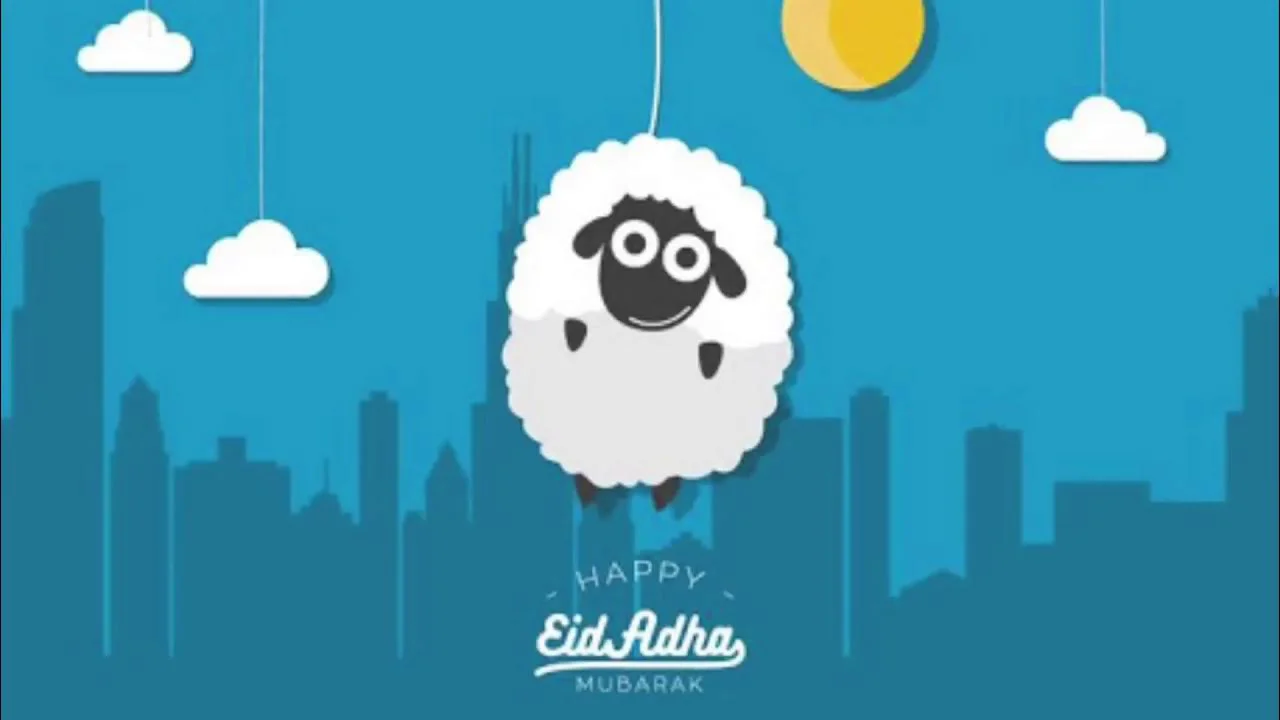
Eid celebrations are significant moments for preserving our cultural heritage, strengthening social solidarity, and passing on spiritual values to future generations. Particularly for children, Eid represents a time when the foundations of belonging, love, and sharing are laid, and unforgettable memories are made. Therefore, it's crucial to convey the meaning of Eid to children in a way that not only makes it fun but also a meaningful and educational experience.
Here are seven effective ways to make Eid more meaningful with children:
-
Explain the Spiritual Meaning of Eid
Sharing the religious and spiritual aspects of Eid in a way that suits the child's age helps them understand the story behind this special day. For example, stories like the tale of Prophet Ibrahim and Prophet Ismail during the Sacrifice Feast (Kurban Bayram) can be explained in simple terms around themes of loyalty, submission, and sharing. -
Involve Them in Preparations
Including children in pre-Eid activities like house cleaning, shopping, and sacrifice preparations not only builds a sense of responsibility but also enhances their feeling of belonging. Assigning them small tasks encourages active participation in the process. -
Visit Relatives Together
One of the most important traditions of Eid is visiting elders and kissing their hands. This teaches children respect and love. During these visits, when children give gifts or offer small treats to elderly relatives, it fosters a sense of sharing and empathy. -
Teach Them to Use Eid Money Wisely
Eid money should not only be a tool for consumption but also an opportunity to teach savings, charity, and resource management. Encourage children to donate part of their Eid money or save some for future needs. -
Set the Eid Table Together
Giving children small roles in preparing the breakfast or meals with the meat of the sacrifice can help develop their cooking skills while internalizing the spirit of Eid. Spending quality time together around the Eid table strengthens family bonds. -
Create Fun Memories with Games and Activities
Eid is not only remembered for traditional rituals but also for joyful and fun activities. Organize Eid-themed games, crafts, or storytime for children to create fond memories and associate the holiday with love and joy. -
Show Examples of Helping and Sharing
Children learn best by observing. Acts like helping those in need, distributing sacrifice meat, or offering treats to neighbors are powerful ways to teach them the values of sharing and social responsibility.
Conclusion
Making Eid meaningful with children is not just about living through the rituals of the day. It is also a multi-dimensional process that contributes to their character development and serves as values education. Eid provides an important opportunity for children to internalize concepts such as love, respect, responsibility, and sharing. Spending this special time with our children in a rich and conscious way is of great significance for both their individual growth and our social cohesion.