
10 Golden Rules You Need to Know for Safe Driving in Winter
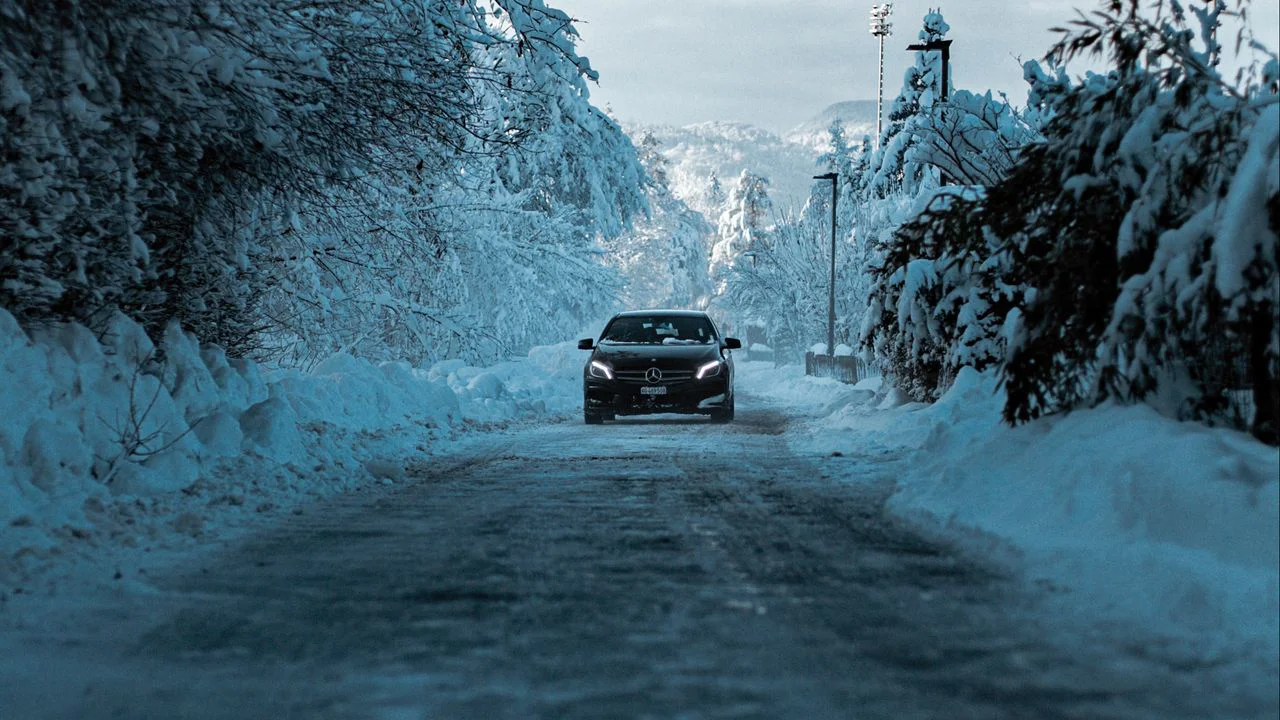
Winter months are among the most challenging periods for drivers due to snow, ice, fog, and low temperatures. A significant portion of traffic accidents during this season result from inadequate preparation and improper driving habits. From a corporate responsibility perspective, adapting driving behavior to winter conditions is essential for both individual safety and public traffic order.
Below are the 10 golden rules every driver should know and apply to ensure safe driving during winter.
1. Do Not Neglect the Use of Winter Tires
Winter tires significantly improve road grip at temperatures below 7°C. Beyond legal requirements, using winter tires is essential for the safety of life and property. All four tires should be winter tires to maintain vehicle balance.
2. Adjust Your Speed According to Road and Weather Conditions
In winter, road conditions—not speed limits—should determine your speed. Driving at lower speeds on snowy and icy roads allows better control in unexpected situations.
3. Increase the Following Distance
Braking distances on wet, snowy, or icy roads can be two to three times longer than normal. Therefore, the distance to the vehicle ahead should be increased.
4. Avoid Sudden Braking and Sharp Steering Movements
Sudden braking or aggressive steering can cause skidding. All maneuvers should be smooth and controlled.
5. Prepare Your Vehicle Specifically for Winter
Antifreeze levels, windshield washer fluid, wipers, battery condition, and lighting systems must be checked before winter. Regular maintenance prevents unexpected breakdowns.
6. Maximize Visibility
Fog, snow, and heavy rain significantly reduce visibility. Use climate control correctly to prevent window fogging, and ensure headlights and taillights are clean at all times.
7. Carry Snow Chains and Emergency Equipment
Snow chains, reflective triangles, wheel chocks, flashlights, and first aid kits should always be available, especially on long journeys.
8. Pay Extra Attention on Slopes and Curves
Icing is most common on slopes, bridges, and curves. Reduce speed and shift gears carefully in these areas.
9. Check Weather and Road Conditions Before Driving
Always review weather forecasts and road conditions before departure. If necessary, postpone travel rather than take risks.
10. Adopt a Calm and Defensive Driving Approach
Safe winter driving is based on calmness and anticipation. Assume other drivers may make mistakes and drive defensively.
Conclusion
Safe driving in winter is not only a personal choice but also a social responsibility. Many accidents can be prevented with simple yet effective precautions. Safety begins with proper preparation.